Talking About Old Stones

I had the very real privilege of presenting a paper at The Lithic Gathering organised by the wonderful Scholars of the Stones research group on Friday May 16.

There was a truly inspiring range of multidisciplinary responses, covering ritualistic practices, sensory investigation through sound, film and haptic interpretation, the reframing of narratives surrounding sacred stone structures, and artistic and aesthetic reframing through storytelling and architecture.

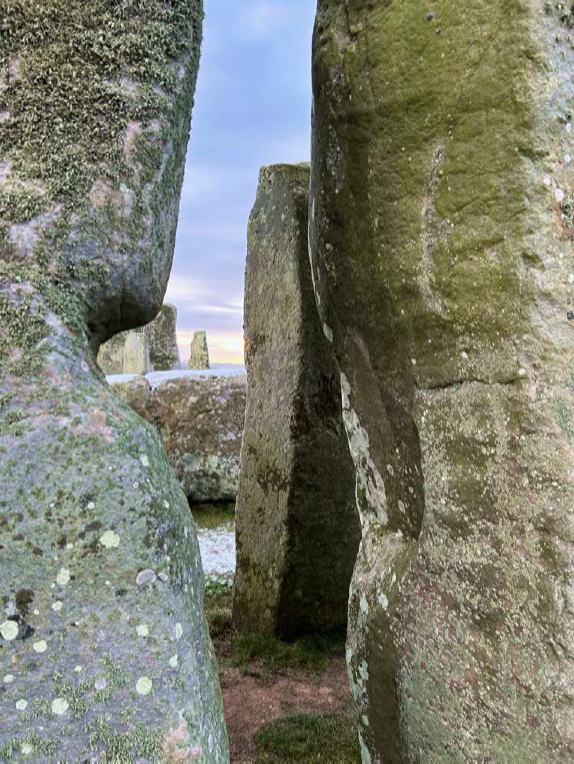
Drawing on work in post-processual and cognitive archaeology, my own paper – ’This is Our Place: Narrative and Interpretation at the Callanish Standing Stones’ explored the different narratives and interpretations surrounding the complex at Calanais on Lewis in the Outer Hebrides, suggesting that the monuments are a product of cosmological modelling as well as local identity.

A symposium is always a temporary community bringing different scholars and practitioners together through shared themes, but this felt like something broader and deeper – a day as much about time and connection and empathy as it was about stone. It was great to feel among friends and to play a small part in such a thought provoking day.

The Lithic Gathering is part of The Stones Project at Manchester Metropolitan Univeristy’s School of Gothic Studies and is led by Dr Fiona Barber with Drs Beccy Kennedy-Shtyk, Hannah Singleton and Martha Lineham.
elm is me and I am elm

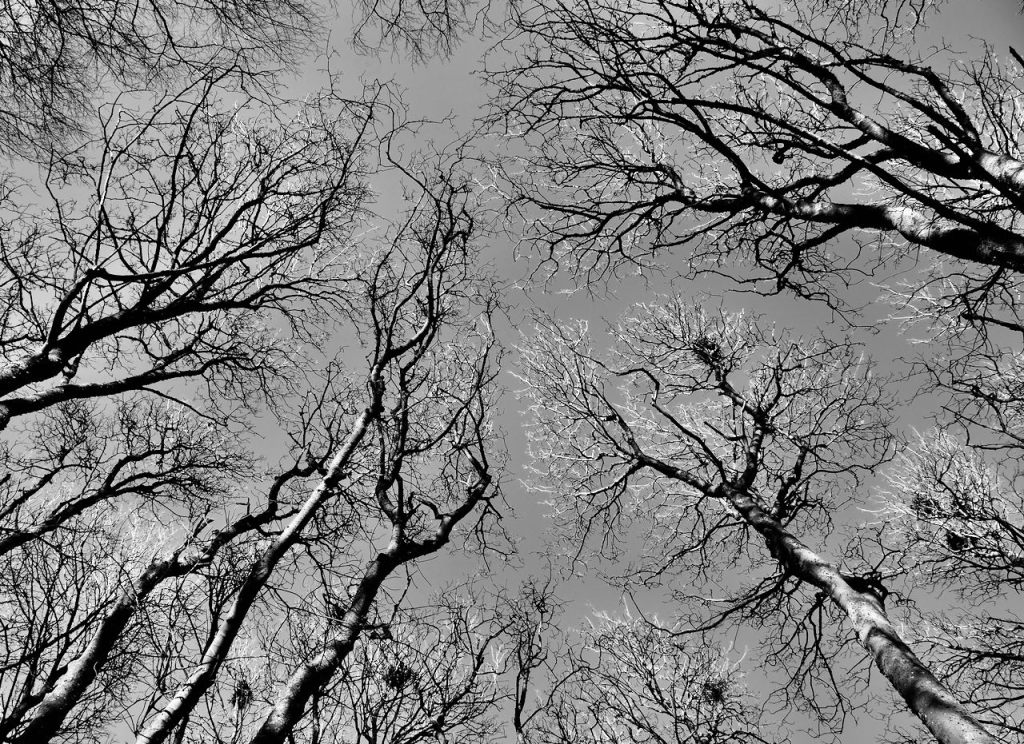
“Where do the trees end and I begin? Where is the boundary between tree, roots, soil, air, my breathing and thinking and being? It is not just a hippy idea of ‘oneness’, this, a flaky new age folksy feeling that yes, we are all connected, but an intellectual, phenomenological and objective reality. Everything really is whole within the multitudinous, messy complexity of everything.”

An extract from my essay ‘elm is me and I am elm’ in the Paperboats Zine, Issue 5, released for Earth Day 2025.

The essay explores our deep entanglements with Nature through the presence, folklore and mythology of the wych elm, and reconsiders the false boundaries between the human and non-human worlds. It goes on to ask how we might incorporate the interrelationships we have with Nature in our thinking and planning, bringing in ideas found in ecology and more radical urban design.

I first wrote about the wych elm here on Elsewhere: A Journal of Place.

Issue 5 of the Paperboats Zine as a whole is on the theme of ‘Our Power – Our Planet’ and is edited by Polly Pullar and Linda Cracknell.

‘Power is addressed in the repercussions of our energy choices, but also in humans working together for common good and in sometimes relinquishing control so other species and habitats can flourish.’

The editors, Paperboats Zine Issue 5.

There is a fantastic range of writing in this issue, by some wonderful writers, with words from:

Margaret Elphinstone, Jonathan Clark, Hayli McClain, Charlie Gracie, Rebecca Stonehill, Anthony McCluskey, Lesley Harrison, Aidan Semmens, Victoria NicIomhair, Donald S Murray, Iona Macduff, Jeff Skinner, Craig Dobson, Angela Gilchrist, Joshua Adam Walker, Owen Gallagher, Kat Hill, Chris Cottom & Sarah Wallis.

Head to Paperboats.org/zine to read this and previous issues.

The Lithic Gathering

Shifting Temporalities and Mythologies of Ritual Stone Structures

Anyone vaguely familiar with my writing and work will have correctly guessed that I have more than a passing interest in stone circles, and more widely, our ancient sacred connections to the landscape. So, it might come as no surprise to learn that I’m more than a little excited to be presenting at the upcoming Lithic Gathering Symposium at Manchester Metropolitan University next month.

The symposium is organised by The Stones Project, part of MMU’s Visual Culture research group. The research collective examines how ‘we represent and experience ancient and modern British and Irish standing stones and ritual stone structures in their contemporary contexts, through a sensory and embodied research approach.’

The symposium gathers scholars and artists responding to standing stones in various ways, with presentations that explore how ‘these structures – and/or the materiality of the stone/the lithic itself – merges, redefines or shifts historical and mythological narratives in relation to their manifestations within global visual cultures and artistic practices.’

(The Stones Project, 2025)

My own presentation is based around a paper stemming from my PhD by practice research and an extended visit to Lewis in 2022.

‘This is Our Place: Narrative and Interpretation at the Callanish Standing Stones’ explores the various competing narratives and interpretations that surround the stones, touching on archaeology, folklore, literature and mythology. It argues that the stones represent a model of cosmological belief as well as a symbol of local identity, highlighting the relationships between the monument, the lunar standstill, the surrounding landscape and the use and significance of quartz in the monument’s design.

Tickets for the event, and a full programme of speakers and presentations can be found at the eventbrite link below:

The Lithic Gathering

Sacred Mountain – an autumn equinox walk with BBC Radio Scotland.

In 2022 I took a walk up everybody’s favourite hill in Aberdeebnshire to witness the autumn equinox sunrise from the summit of Mither Tap – the site of a Pictish hill fort that dominated what was, for the Picts, a sacred landscape.

I wrote an essay about the walk, exploring what the idea of a sacred landscape might mean to us today, which was published on The Clearing – Little Toller’s online journal of Nature, Landscape and Place.

Here I return to the hill as the autumn equinox approached, in the company of BBC Radio Broadcaster Helen Needham. We talk about our connection to landscape and place, and the importance of taking time out from our busy lives to pause and to reflect, and to notice the changing of the seasons.

Extracts from my essay are woven through the recording Helen made as we walked up the hill, following the Maiden Causeway – an ancient track leading to the Pictish fort on the summit of Mither Tap.

You can listen to the podcast here or click on the image above.

And you can read my essay on The Clearing here.