Our Lady of the Storms

With the long, cold month of January drawing to a close, we took a walk along the Aberdeenshire coast from the historic fishing town of Stonehaven just ten miles south of Aberdeen. It was still cold, but dry with little wind, the sea flat calm and the low sun of a northern winter’s afternoon casting its glow across the clifftops. The path climbs steadily upwards from Stonehaven’s harbour above the rocks and old fisherman’s cottages at Cowie, where tall poles once used to spread and dry the fishing nets still poke up awkwardly out of the communal green space like some ancient wooden henge.

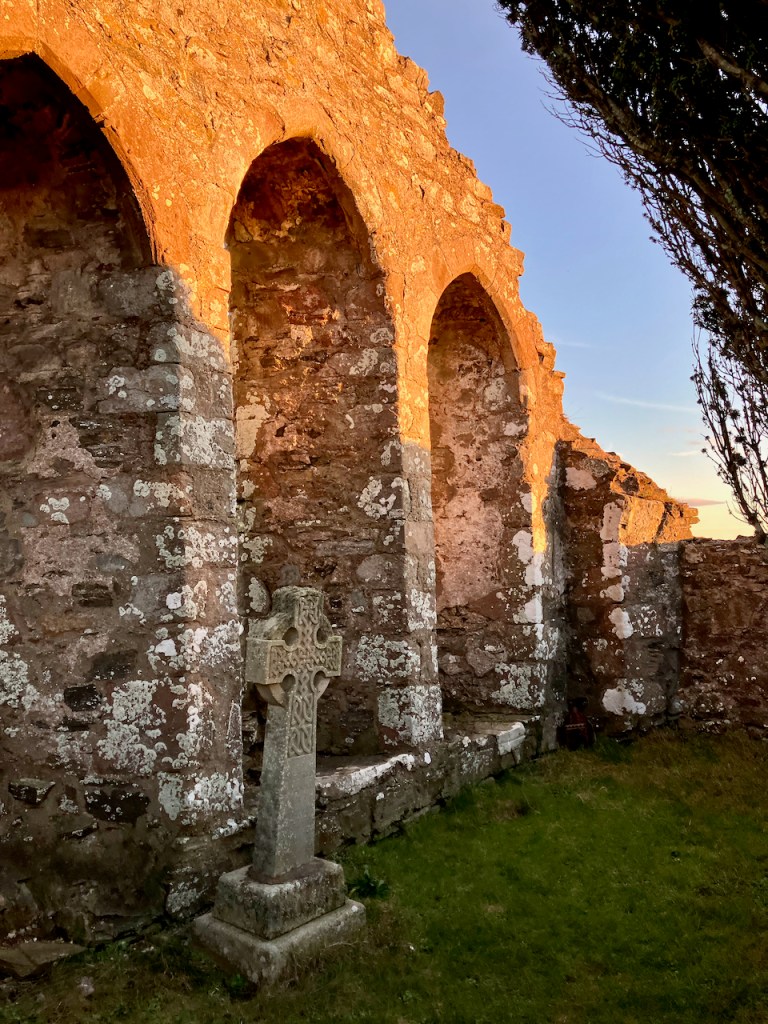
We were making our way to an old Catholic chapel perched precariously high on the sandstone cliffs and once dedicated to the Pictish Saint Nathalan who is attributed to several of the early churches of Aberdeenshire. His treasure is said to have been buried wrapped in a bull’s hide somewhere between the old chapel and its outer wall. The extant building dates to the thirteenth-century – some six-hundred years after Saint Nathalan’s time – and is also known as the Chapel of Our Lady of the Storms, re-dedicated to Saint Mary in 1276. The ruins of Cowie Castle, built by the Scottish king Malcolm Canmore in the eleventh-century, are just a short distance to the south, passed as you approach the chapel from the direction of Stonehaven along the narrow clifftop path. 

We spent half an hour or so wandering around the chapel’s burial ground as the sun sank steadily toward the fields. An old yew tree and holly tree take up much of the chapel’s roofless interior, and its stone arches catching the low winter sun in the stillness of the late afternoon created that eerie sense of time’s suspension. We found no treasure, but there are the gravestones of local fisherman lost at sea and a memorial commemorating a crew of lifeboatmen who drowned in the February of 1874. The sun finally dipped out of view and we made our way back along the cliffs, the old fisherman’s cottages at Cowie shrouded in deepening shadow and the waves just audible amongst the rocks below.

The Don: A Sacred River

“Ian Grosz takes the reader on a journey, often on foot, to the half-hidden spiritual locales of the Don. Replete with historical and archaeological resonance, his journey through road, trail, stream and field is an elemental dance of often elusive elements. Spiritual faith as a palimpsest of earth, rock, water and culture remains a central theme as he leads us through histories of Gaelic saints, Pictish stones, cairns and Aberdeenshire stone circles with their distinctive recumbent stone. Places of transformation and spirituality are never far away from the divine river. The ancient goddess endures in a looping and recursive movement that exists differently from linear formulations of time and space.”

Neil Curtis and Jo Jones, Introduction, Four Rivers, Deep Maps, pp. 21-22.

The book Four Rivers: Deep Maps was published by UWAP and had an official launch early in Nov. There will be a second launch in the UK in the first quarter of 2023. The book has a diverse range of creative and scholarly responses to the two regions of Perth, WA, and Aberdeenshire. My own contribution is reviewed here by Neil Curtis in the book’s introduction:

UK stockists may be available next year, but if that’s piqued your interest, you can order the book directly from the publishers. Click on the image to go direct to UWAP for this and their other titles.

A Dream of Stones

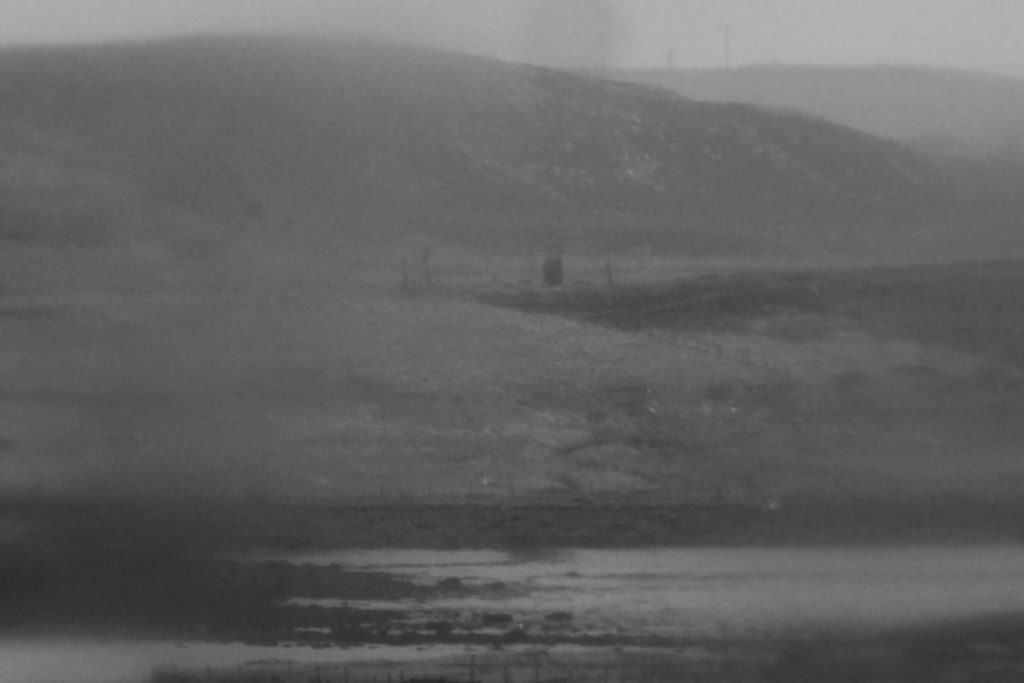
I drove to Calanais in the rain, looking for the stones. I found them there, standing tall in the mist, like a distant dream I had once dreamt but long forgotten, a silent memory. Did they walk this way those thousands of years ago? What gods and spirits did they dream of; what lost stories did they tell? Where do they dream now, long buried in the ground? Across Loch Ròg to Kirkibost the sleeping woman lies, and the Shining One waits in the west. Too many stories wait here, commodified even now: unreal place, resting in its unknown truth.

Good Company

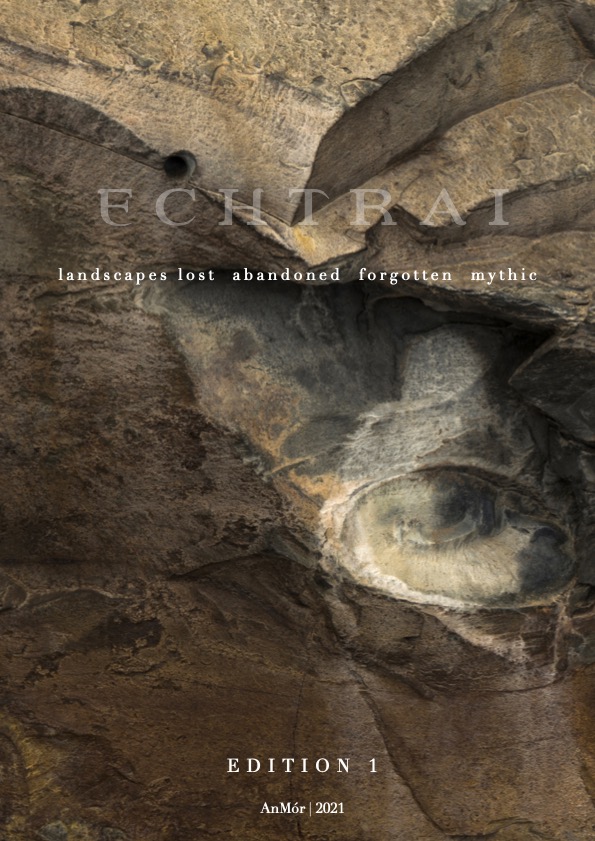
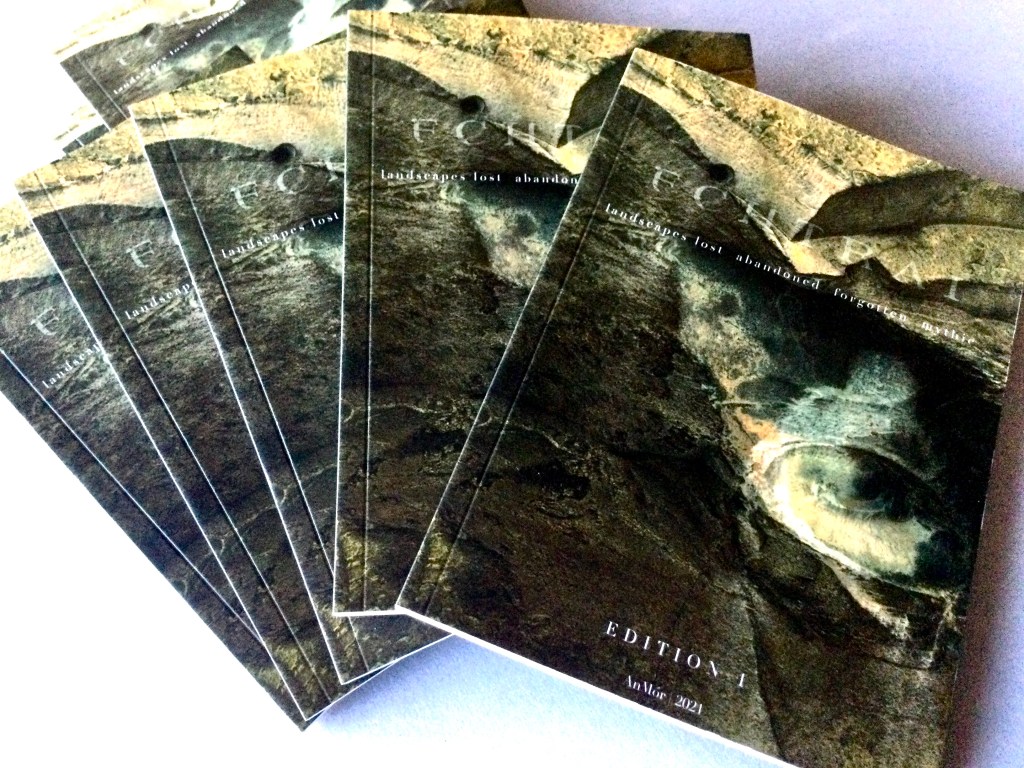
It was so great to be a part of the launch event for Echtrai Edition One hosted by Helen Needham last night and to hear the wonderful writing of the other contributors. ‘My Father’s Hands’ by Jeff Young is a tender portrait of a father, a husband and an honest working man: a beautiful piece of writing with universal resonance. If you haven’t read Jeff’s book Ghost Town published by Little Toller yet, then you must.

So many other wonderful contributors in this volume of new writing including poet and artist Alec Finlay and writer and editor Jon Woolcott of Little Toller; the weird and wonderful prose of novelist David Gladwin; the poetry of David Wheatley and the American composer Akira Rabelais; writing by the editors, artist Emily Hesse and academic Martyn Hudson; liminal travels on the Inca trail by travel and nature writer Louise Kenward; a haunting piece about the relics of a city in childhood memory and a never-built ‘garden city’ by Italian writer, gallery owner and antique dealer Belinda Guerriero; the wonderful artwork of Guy Dickinson, poet and artist Camilla Nelson, and the ethereal incantations of the journal’s founder and creative director Baz Nichols under his pen-name Bran Graeme Nairne, along with many other equally compelling writers and their work.

If you couldn’t make the launch which sold out, you can order a copy through AnMór Studio in the links embedded in this post.

Echtrai Edition 1 – Live Online Launch.

Echtrai Edition 1 – AnMór Studio

Delighted to be taking part in the live launch event for Echtrai Edition 1, hosted by Helen Needham of BBC Radio Scotland on 09th February 2022 at 7 pm alongside some amazing company. Details for the event and tickets are available here through Eventbrite. I will be reading an extract from my piece ‘The Stones of Bourtie’.