The Lithic Gathering

Shifting Temporalities and Mythologies of Ritual Stone Structures

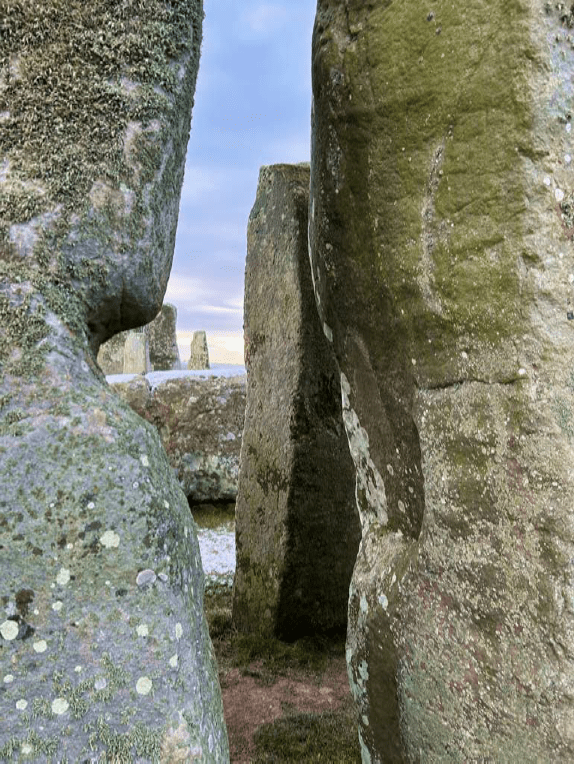
Anyone vaguely familiar with my writing and work will have correctly guessed that I have more than a passing interest in stone circles, and more widely, our ancient sacred connections to the landscape. So, it might come as no surprise to learn that I’m more than a little excited to be presenting at the upcoming Lithic Gathering Symposium at Manchester Metropolitan University next month.

The symposium is organised by The Stones Project, part of MMU’s Visual Culture research group. The research collective examines how ‘we represent and experience ancient and modern British and Irish standing stones and ritual stone structures in their contemporary contexts, through a sensory and embodied research approach.’

The symposium gathers scholars and artists responding to standing stones in various ways, with presentations that explore how ‘these structures – and/or the materiality of the stone/the lithic itself – merges, redefines or shifts historical and mythological narratives in relation to their manifestations within global visual cultures and artistic practices.’

(The Stones Project, 2025)

My own presentation is based around a paper stemming from my PhD by practice research and an extended visit to Lewis in 2022.

‘This is Our Place: Narrative and Interpretation at the Callanish Standing Stones’ explores the various competing narratives and interpretations that surround the stones, touching on archaeology, folklore, literature and mythology. It argues that the stones represent a model of cosmological belief as well as a symbol of local identity, highlighting the relationships between the monument, the lunar standstill, the surrounding landscape and the use and significance of quartz in the monument’s design.

Tickets for the event, and a full programme of speakers and presentations can be found at the eventbrite link below:

The Lithic Gathering

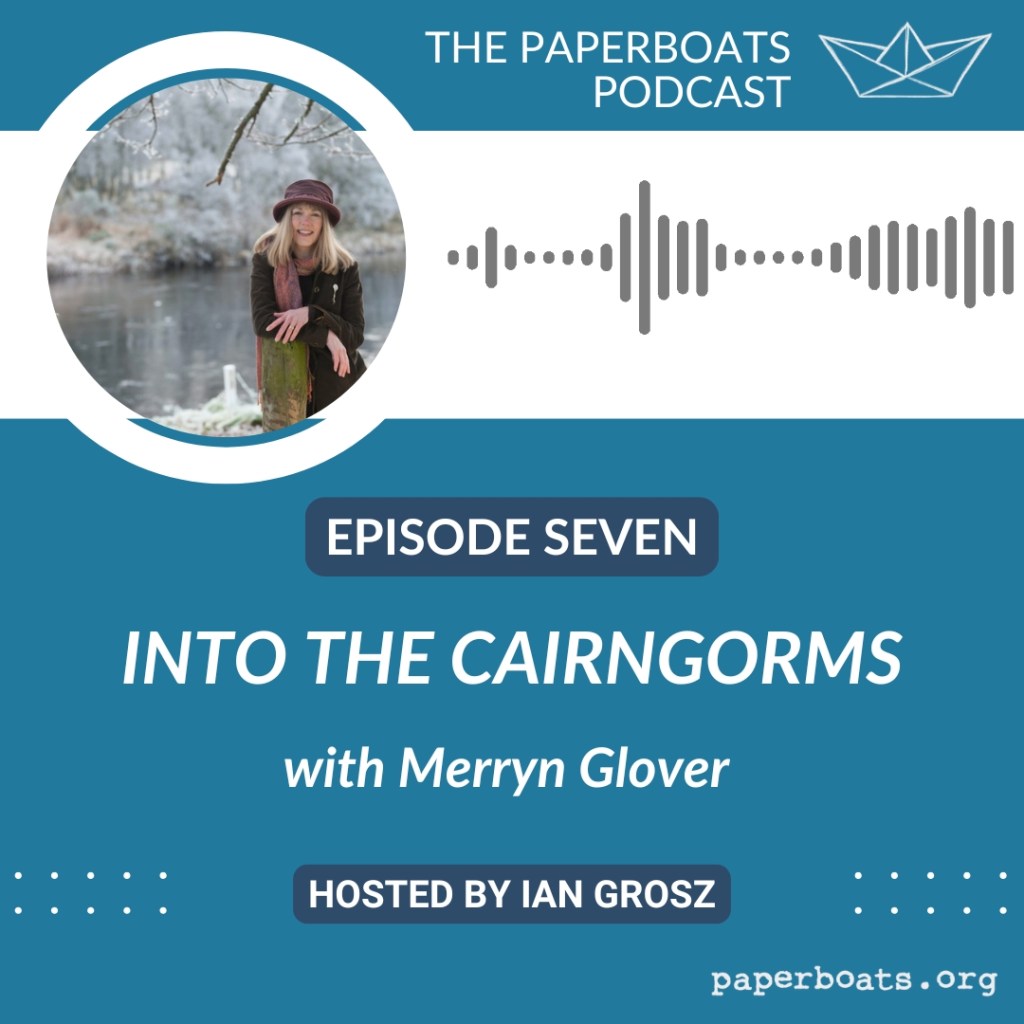
Into the Cairngorms

The latest episode of the Paperboats podcast is out now, with author Merryn Glover Appleby

Merryn was born in Kathmandu to Australian missionary parents and grew up in Nepal, India and Pakistan. She settled in Scotland after travelling around the world and was the first Writer in Residence for the Cairngorms National Park in 2019. She co-hosts the Cairngorms-based Storyland Sessions with musician Hamish Napier, and is a regular Guardian Country Diary columnist. Her latest book is The Hidden Fires: A Cairngorms Journey with Nan Shepherd (Polygon, 2023).

In this episode Merryn describes her early life in Nepal and India, the deep connection she has found with the Cairngorms through her writing, her involvement with the Storyland Sessions community project, and her time as Writer in Residence for the Cairngorms National Park. Merryn also reads from The Hidden Fires, and gives an insight into how her spiritual faith informs her thinking on Nature and the Environment.

Head into the Cairngorms from your armchair, or wherever you like to listen, and stream from your chosen platform.

Head to Paperboats Podcasts to learn more.

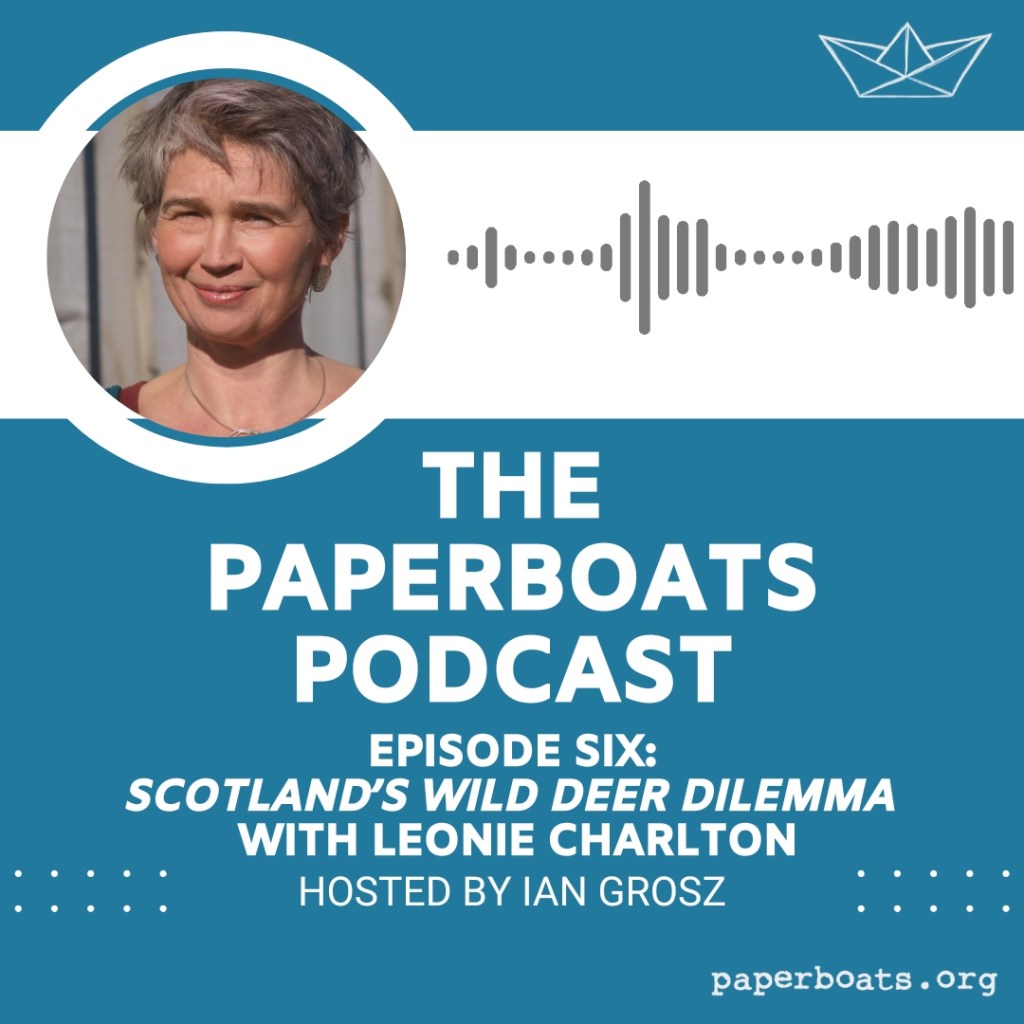
Scotland’s Wild Deer Dilemma

The latest episode of the Paperboats Podcast, released Friday March 07, features author and poet Leonie Charlton.

Leonie lives in Argyll and is currently undertaking a practice-based PhD exploring Scotland’s ‘wild deer dilemma’ through the University of the Highlands and Islands. Her publications include her debut poetry pamphlet Ten Minutes of Weather Away (Cinnamon Press, 2021), and her travel-memoir Marram (Sandstone Press, 2020), which was Waterstone’s Scottish Book of the Month for April 2022.

Leonie reads an extract from her diary essay ‘Fragments’, which first featured in Issue 1 of the Paperboats Zine and is included in the travel writing anthology There She Goes, edited by Esa Aldegheri and published by Saraband this month. Leonie discusses spiritual ecology, our lost connections with nature, and the way she approaches writing about the more-than-human world. She also talks about her PhD by practice and the conflict of interests inherent in deer management and re-wilding.

I had a very open and meaningful chat with Leonie that offers real insight into her work and the issues she writes about, so please do head to your preferred podcast platform, grab a coffee and take thirty minutes out to give it a listen. And if you enjoy it, follow and subscribe to keep up with all future episodes, released each month across all platforms.

Thank you for taking time to read this, and please do leave a comment if you enjoyed this podcast.

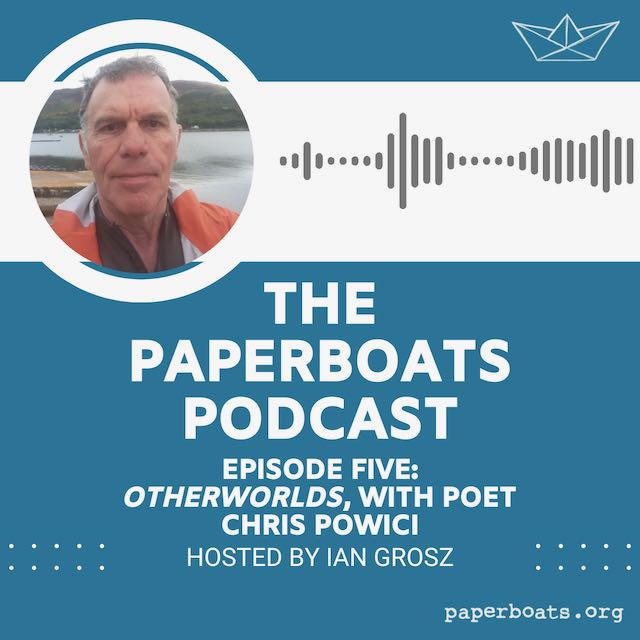
Otherworlds

Episode 5 of the Paperboats Podcast features poet Chris Powici

Chris lives in Perthshire in Scotland. He taught creative writing for many years at the University of Stirling and the Open University, but is now focussed on his own writing as a poet and essayist. His work mostly explores the overlap between the human and natural worlds.

Chris is also co-editor of New Writing Scotland and one of the key people behind the formation of the Paperboats Writers collective. In this episode he talks about his involvement with Paperboats, his thoughts on the role of the writer in the climate and ecological emergency, and the importance of affirming the world around us through the ‘otherworlds’ of our imagination.

Chis reads ‘Night Fishing’ and ‘Deer’ from his first poetry collection, This Weight of Light (Red Squirrel Press, 2015) and ‘Loch Striven’ from Issue 1 of the Paperboats Zine. His latest poetry collection is Look, Breathe, published by Red Squirrel Press.

You can find the Paperboats Podcast on your preferred platform, or go to: https://paperboats.org/podcasts/

Enjoy!

The Rights of Nature

The first Paperboats Podcast of 2025 features author and poet Karen Lloyd.

Karen lives on the edge of the Lake District National Park and is Senior Researcher and Writer in Residence at Lancaster University’s Future Places Centre. Her latest book Abundance: Nature in Recovery, is published by Bloomsbury and was longlisted for the Wainwright Prize for Writing in Conservation 2022.

In this episode Karen reads from her essay ‘Inside a Rockpool Shrimp there is a Dying Star‘ and talks about the microplastics problem, the pressures on the Lake District’s vulnerable habitats, the rights of Nature, and how we can protect the most fragile ecosystems in the UK from the impacts of human influence.

Take some time out as we barrel headlong into 2025, and discover a universe in the world of the Rockpool shrimp.

Available now on your preferred platform.