The Moor, the Sea, the Sky

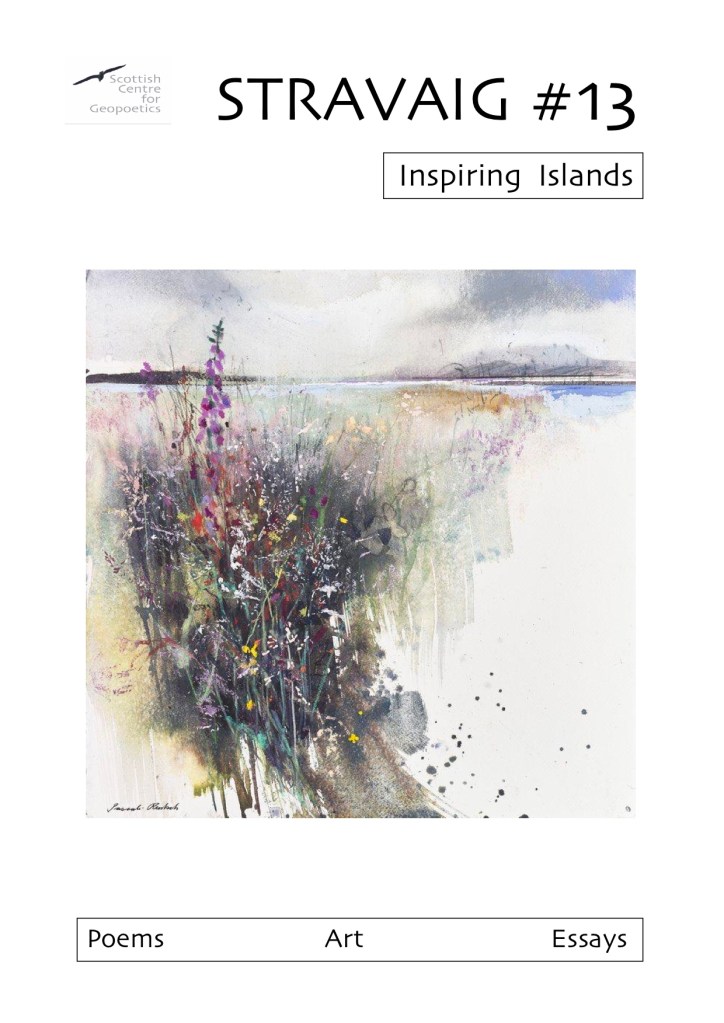
I’m delighted to have an essay included in the latest issue of Stravaig: an online journal for the Scottish Centre for Geopoetics.

Based on the thinking and writings of Kenneth White, the centre describes Geopoetics as being ‘deeply critical of Western thinking and practice over the last 2500 years and its separation of human beings from the rest of the natural world, and proposes instead that the universe is a potentially integral whole, and that the various domains into which knowledge has been separated can be unified by a poetics which places the planet Earth at the centre of experience.

It seeks a new or renewed sense of world, a sense of space, light and energy [and] also seeks to express that sensitive and intelligent contact with the world by means of a poetics i.e. a language drawn from a way of being which attempts to express reality in different ways e.g. oral expression, writing, visual arts, music, and in combinations of different art forms, sciences and thinking.’

Geopoetics is by nature, interdisciplinary, and engages with a broad range of practitioners in the arts and sciences, bringing ways of expressing the world together through both the journal and regular symposiums, seminars, workshops and retreats.

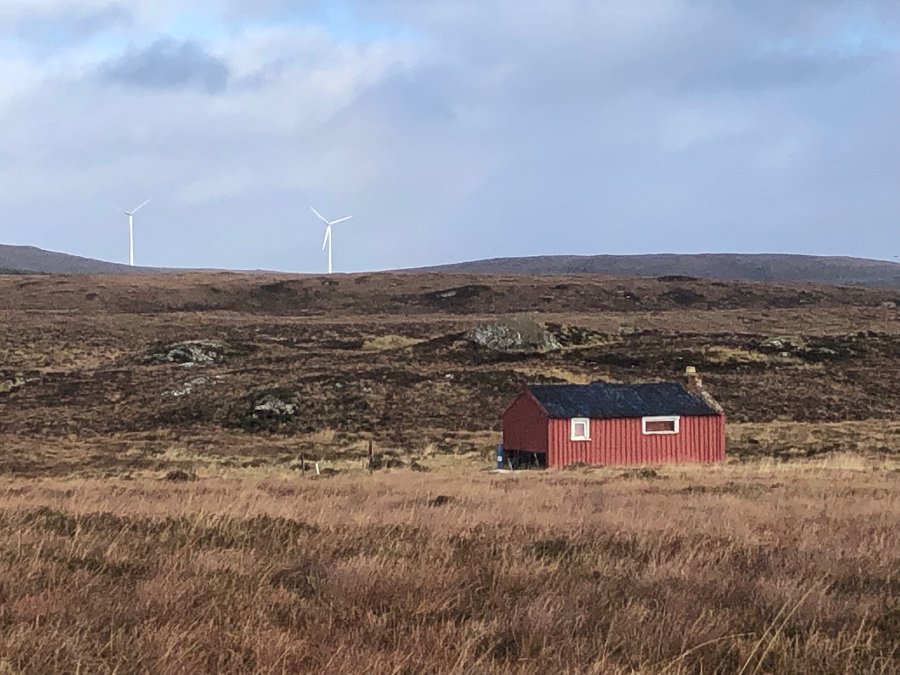
My essay ‘The Moor, the Sea, the Sky’ is a development of earlier work first featuring on Elsewhere: A Journal of Place in 2022, and comes out of my residency with Island Dark Room in the February of that year as part of my wider PhD research. It explores the moorland of Lewis both symbolically through the work of Lewis poet Iain Crichton Smith, and viscerally through my own experience in context with the thinking of anthropologist Tim Ingold.

You can read the essay by downloading Stravaig 13 here.

2022 Round Up

Looking back over a busy year that started on the Isle of Lewis. My trip was delayed because of the storms in January, but the beginning of the year saw me spending ten days with Island Darkroom: a great opportunity that really helped my project find its feet. 

In February the world changed of course, with Russia’s invasion of Ukraine, which continues to mar the world with violence, loss and sadness, and it’s difficult to believe that this terrible war has dragged on now for almost a year. All we can do is hope for a resolution in 2023 that will end the needless suffering as the people of Ukraine continue to be an inspiration.

Earlier in February my writing was included in Echtrai Ed. 1 with some wonderful company, and that led to an engaging chat with the lovely and never still Helen Needham for the BBC Scotland Outdoors podcast. I also had writing published with Little Toller’s The Clearing, Paul Scraton’s online journal Elsewhere, Southlight Magazine and Poetry Scotland.

In May I read work at a symposium with The Sir Herbert Grierson Centre, and in September I gave a workshop on writing Landscape and Place as part of the 2022 Wayword Lit. Arts festival. In November I gave a paper at the University of Eichstätt-Ingolstadt for the Practicing Place conference.

Finally, my work featured in the long awaited book Four Rivers:Deep Maps with a chapter on the River Don, tracing its sacred associations from source to sea and exploring how they have shaped the area’s geography and identity over time. The book was published by UWAP in late September. 

I’m nearing the end of my major work-in-progress now and hope to get it out there next year which looks set to be as busy as the last, with some teaching work lined up, and hopefully an academic publication on my research and a further conference in the summer. Beyond that I hope to do some more workshops and get my thesis in on time! 

Wishing you all the very best for the year ahead and hoping the world finds itself a little kinder in 2023.

New Essay on The Clearing

‘I can hear the distant sound of the ocean, smell the ozone in the air and feel the fine mist of salt-spray against my skin.’

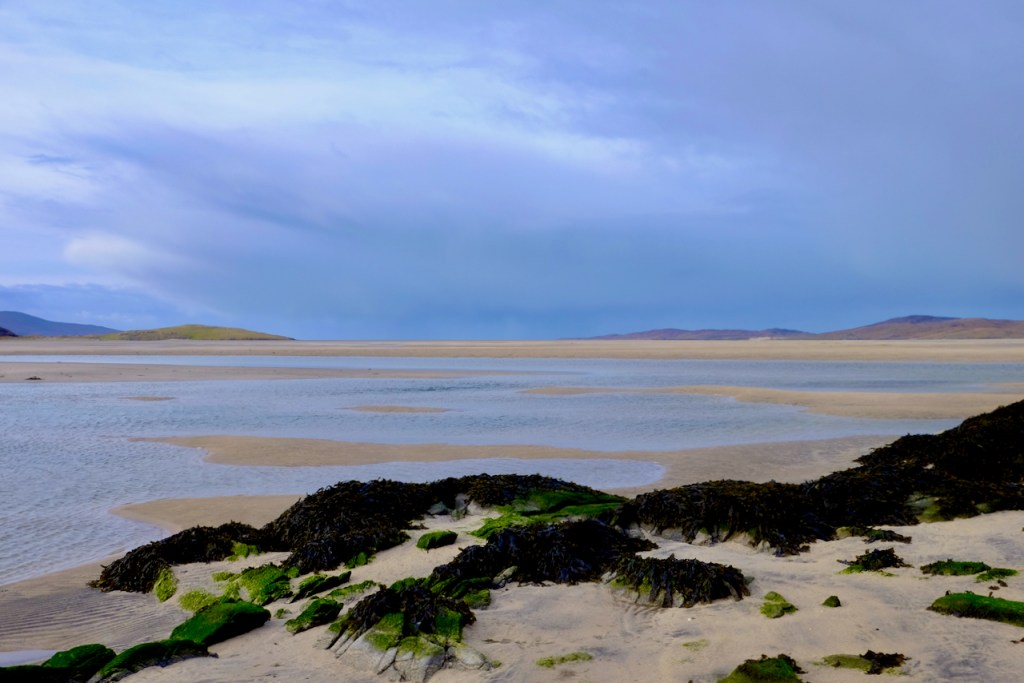
A new short essay on The Clearing: A Journal of Nature, Landscape and Place published by Little Toller Books. The essay takes the reader to Luskentyre in southwest Harris in the Outer Hebrides, exploring its origins and the forces still at play there, set against the ever burgeoning problems of climate change. I visited Luskentyre during my winter residency with Island Darkroom back in February. The essay is a much abridged extract from a chapter in my longer work-in-progress that forms part of my PhD. Thanks go to Jon Woolcott for his expert editorial input, and to Little Toller for hosting such a great online journal. I hope you enjoy the essay’s evocation of Luskentyre’s sense of place and time, which you can read here.

New Piece on Lewis Published.

‘No land barer; and yet the moor was filled with untapped memory and story, locked away like the carbon stored within the peat…’

Very pleased to have a new piece of writing feature on Paul Scraton’s online blog Elsewhere: A Journal of Place. It has come out of wider work stemming from my recent residency on Lewis with Island Darkroom, and explores the legacy of the island through its impact on the work of poet Iain Crichton Smith. Click on the image above to read.

On Gallow’s Down

I had to share the latest post on The Clearing by Nicola Chester, introducing a what looks to be a really interesting and thought provoking series of responses to the themes of her book On Gallow’s Down, which I haven’t read but now must, having read Nicola’s introduction. This feels particularly important right now, encompassing themes that have been the preoccupations of my own work: belonging without exclusion, the meaning of home and place, and our relationship with the landscape and the natural world. I hope you’ll check it out, with some wonderful writers engaging with this series.

Place, Protest and Belonging – Nicola Chester.