Walking and Place

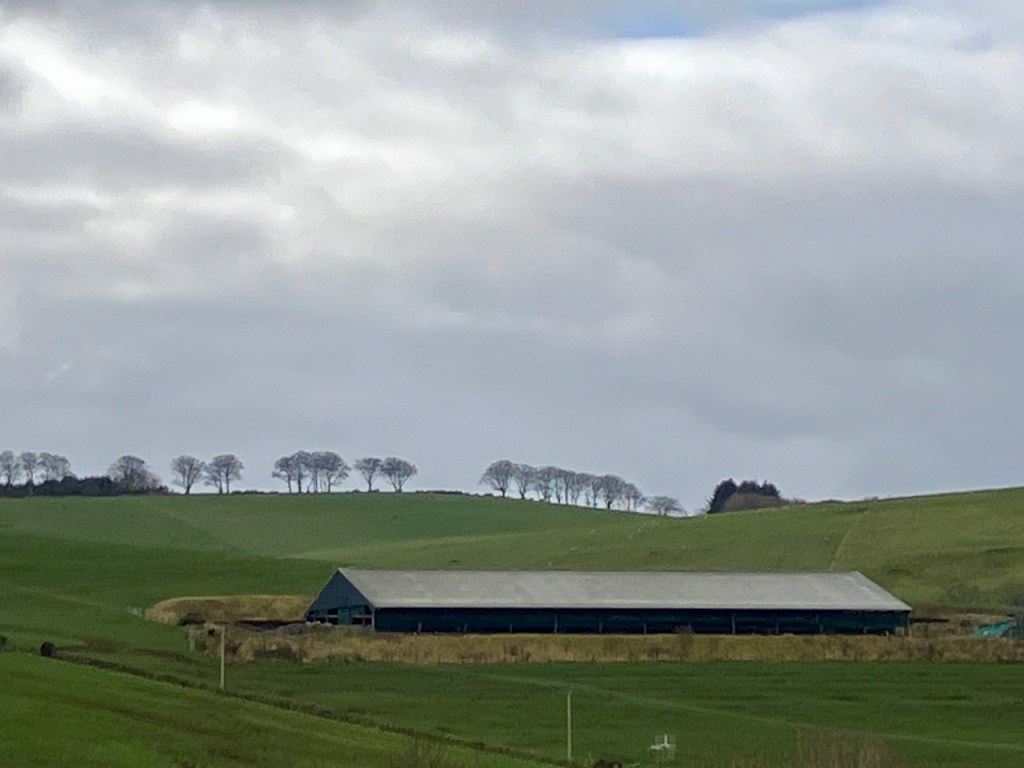
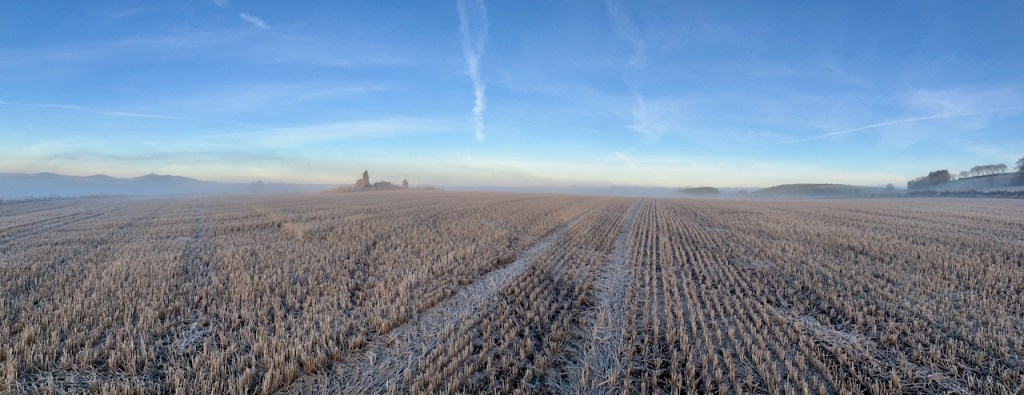
A dull and chilly spring day. 

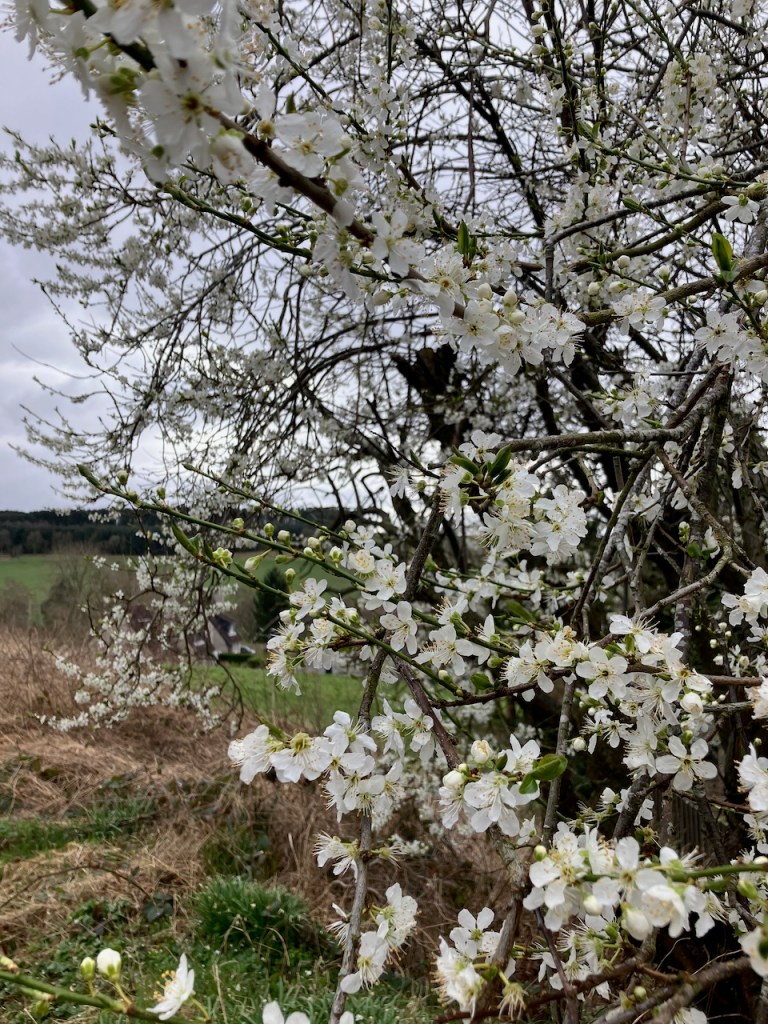
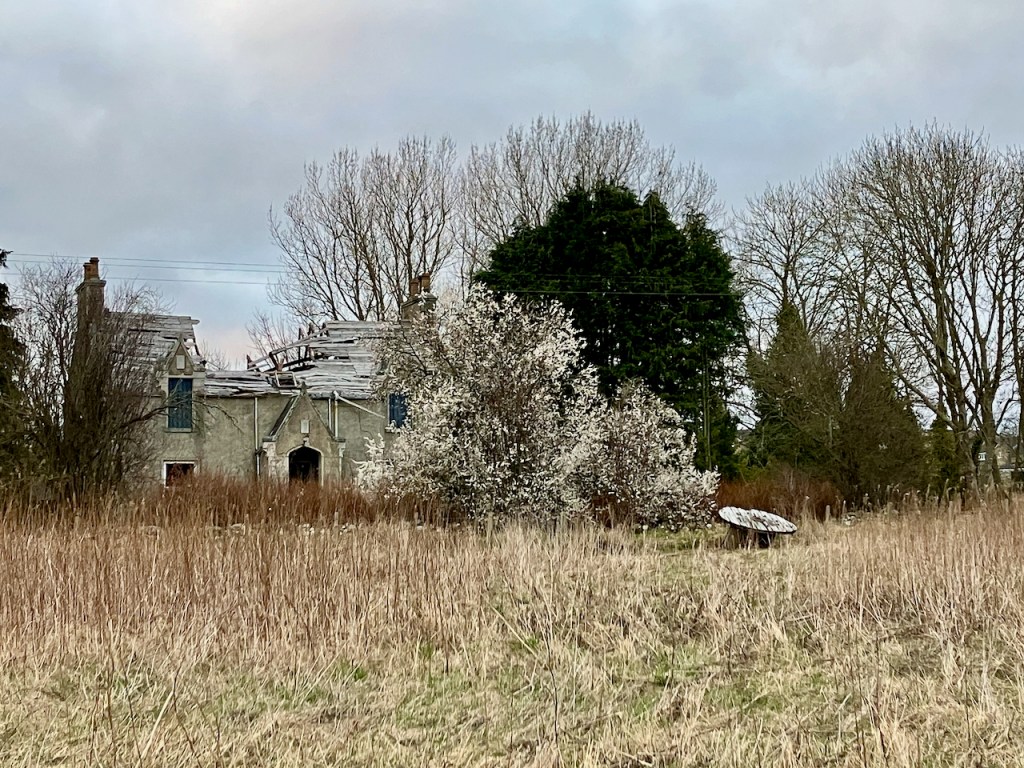
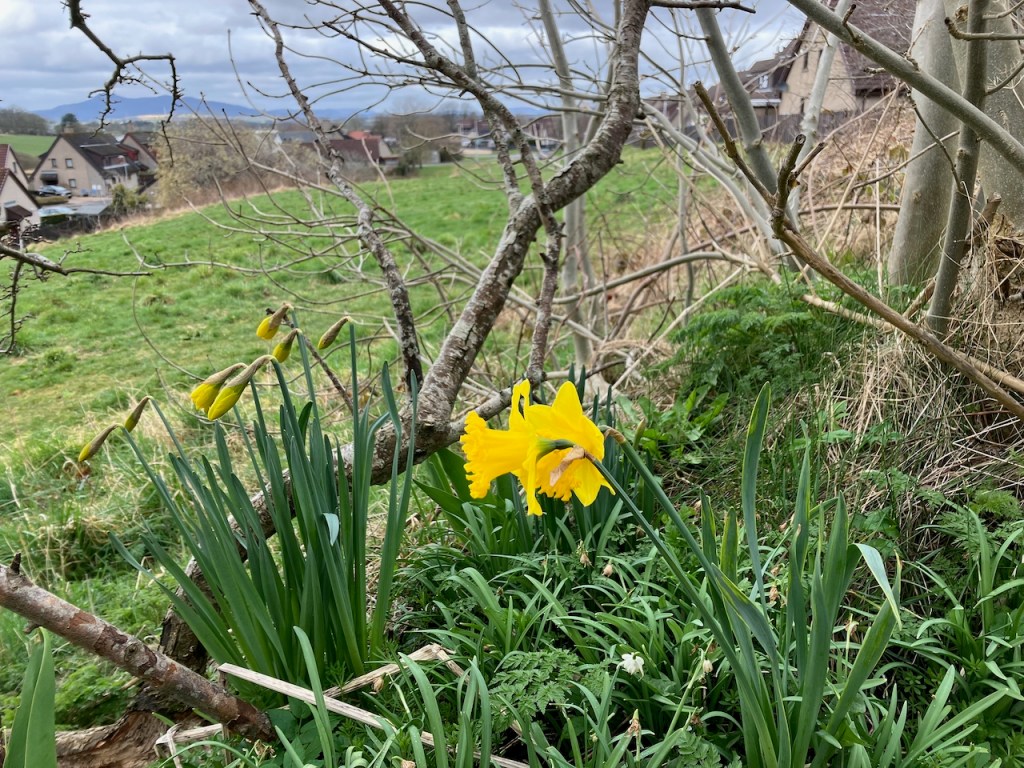
Half-forgotten standing stones, abandoned farm houses, early blossom, late daffodils – trees that always transport me to elsewheres.

All way-markers of the passage of time and the signatures of place. 
It always gently surprises me how much walking connects me to place – the sense of time and connection to those that have gone before us – and to other places through memory and imagination.  

I’ve been walking this area for years, now, but it still rewards me. As I walk, I remake the path and the path, in turn, remakes me, directing my movements through the landscape, shaping the way I experience it and reaffirming where and who I am.

To reach any destination, we must first place ourselves in an imagined future. To go somewhere we have already been, we place the self in both an imagined future and the reconstructed past. We experience the past, the present and the future simultaneously, creatures bound by time but able to traverse its different states, merging the self of the past, the present and the future in a continuous state of reinvention and renewal. In this way, wayfaring is a collaboration, an act of co-creation between the wayfarer and the way.

Pleasing, then, to see the signs of spring, the decay and the new life – the little changes we can witness in a landscape – and to feel truly grateful to be here, anchored by the things that give me my place in the world.
The Rights of Nature

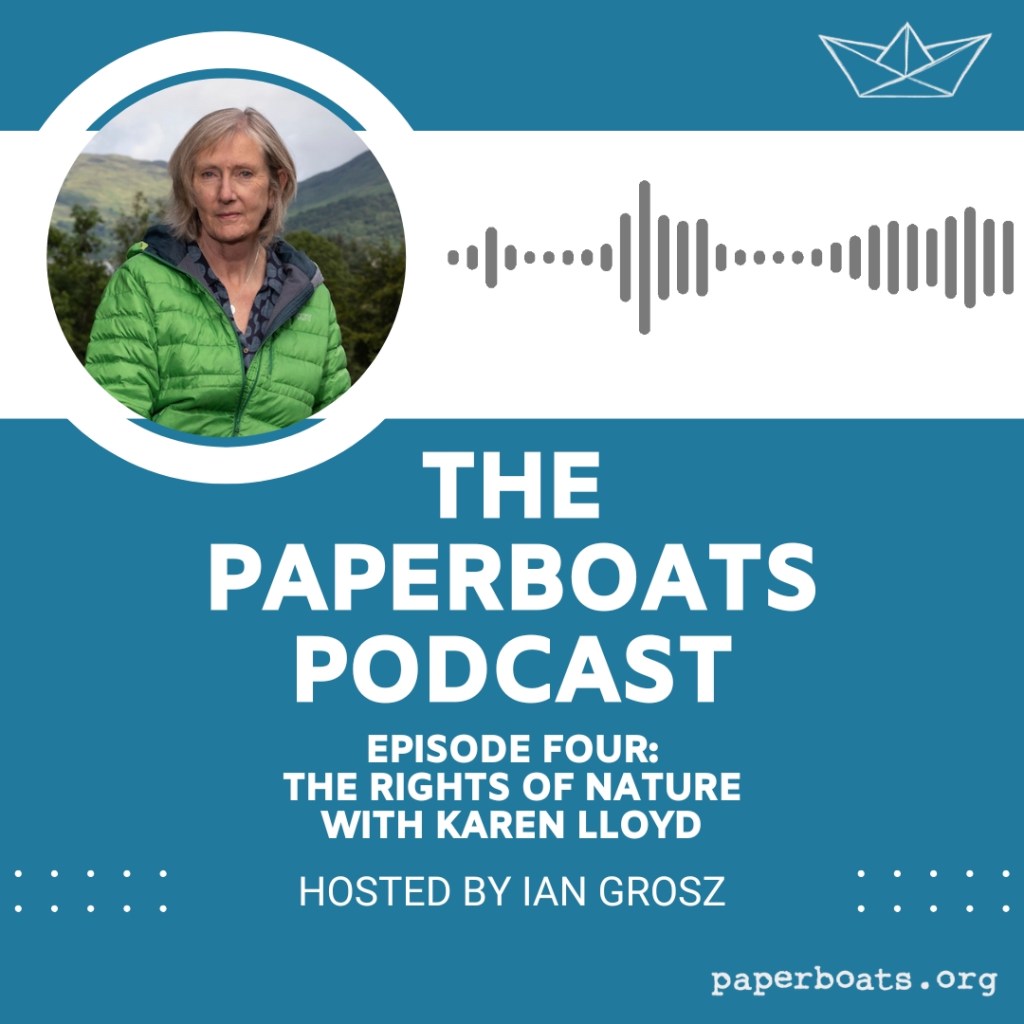
The first Paperboats Podcast of 2025 features author and poet Karen Lloyd.

Karen lives on the edge of the Lake District National Park and is Senior Researcher and Writer in Residence at Lancaster University’s Future Places Centre. Her latest book Abundance: Nature in Recovery, is published by Bloomsbury and was longlisted for the Wainwright Prize for Writing in Conservation 2022.

In this episode Karen reads from her essay ‘Inside a Rockpool Shrimp there is a Dying Star‘ and talks about the microplastics problem, the pressures on the Lake District’s vulnerable habitats, the rights of Nature, and how we can protect the most fragile ecosystems in the UK from the impacts of human influence.

Take some time out as we barrel headlong into 2025, and discover a universe in the world of the Rockpool shrimp.

Available now on your preferred platform.

Latest Paperboats Podcast Live

In the latest episode of the Paperboats Podcast I speak with naturalist, photographer and nature writer, Polly Pullar.

Polly talks about her early life growing up in Ardnamurchan on the west coast of Scotland, how her love of nature and wildlife brought her solace through a difficult period and continues to inspire her passionately today. She discusses the plight of Scotland’s wildlife under the pressures of climate change and habitat loss, and reads from her Paperboats Zine piece, ‘A Solan Goose Summer,’ which highlights how climate change, the avian bird-flu epidemic, and increasing food scarcity is threatening this wonderful seabird.

Polly has regular columns in numerous magazines including The Scots Magazine and BBC Wildlife Magazine, and features in the Paperboats Zine. Her most recent book, The Horizontal Oak – A Life in Nature, was published by Birlinn in 2022. 

I had a great chat with Polly. Her love of nature and her zest for life is infectious, so I hope you’ll give this episode a listen, and if you enjoy it, please do like and subscribe! 

If you’re concerned about climate change, want to delve further into the issues surrounding it, and like great writing, the Paperboats Podcast brings you a host of fantastic nature writers. 

Find it on your preferred platform or head to Paperboats Podcasts and follow the links from there.

Enjoy.

New Writing on THE CLEARING

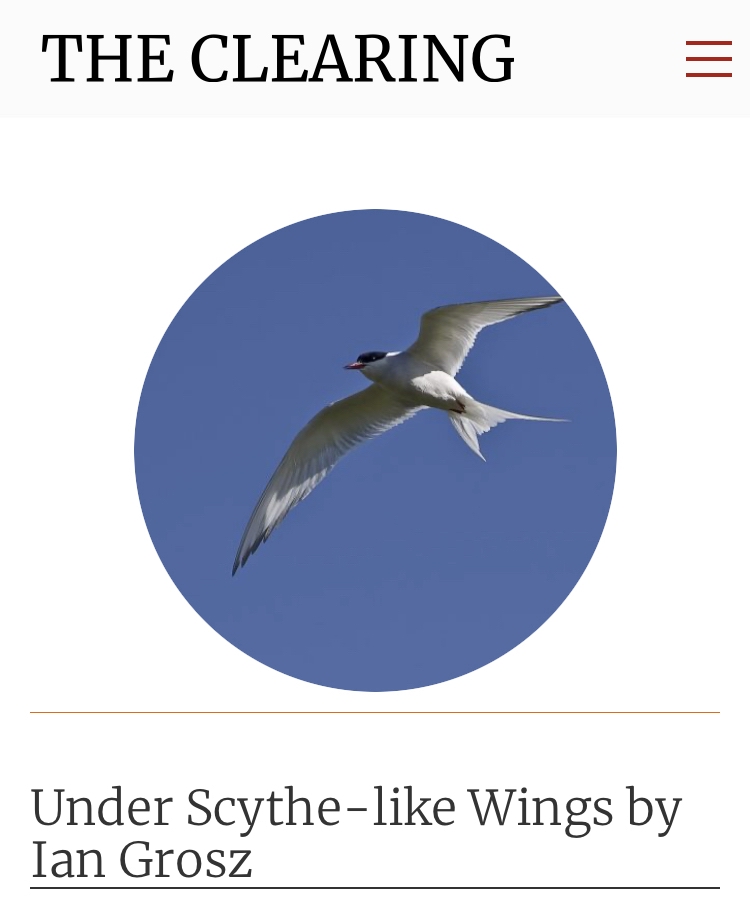
‘The screeching increased, and we found the terns now hovering above our heads: dark, piercing eyes glaring down at us, the flash of razored wings folding in on themselves in a sudden flurry of air and feathers as they dove to drive us off. We stumbled on, wary of our footsteps and continually harried by the terns. Eventually we came across a half-collapsed stone dyke and ducked down behind it, leaving the mass of screaming birds behind and feeling guilty for our intrusion.’

Very happy to have some new writing back on THE CLEARING.

It stems from a trip to Orkney in the summer where I had an encounter with an arctic tern colony, and reflects on the draw of the islands and the potential negative impacts of tourism on Orkney’s wildlife.

THE CLEARING is a journal of landscape, nature and place published by Little Toller based in Dorset and edited by Jon Woolcott, author of Real Dorset.

The Flow Country

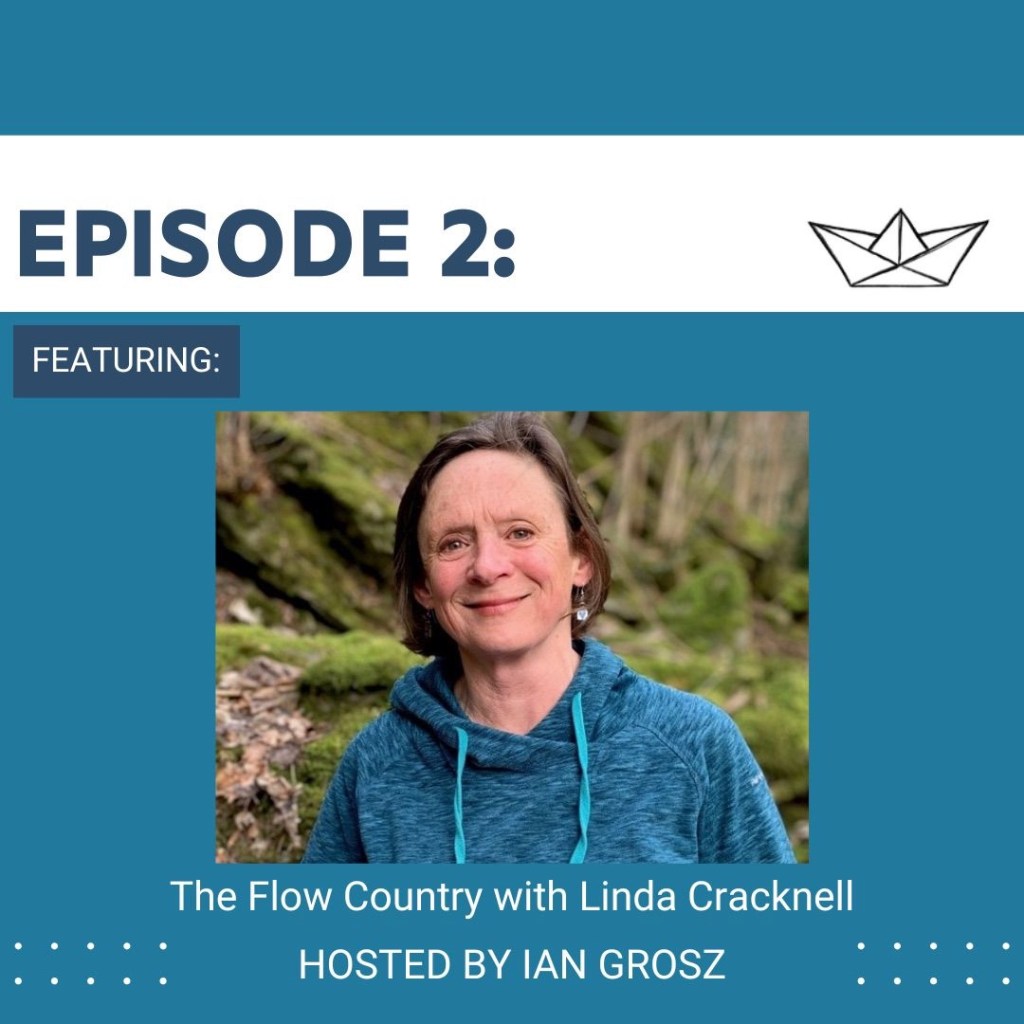
EPISODE 2 OF THE PAPERBOATS PODCAST, WITH LINDA CRACKNELL

Episode 2 of the Paperboats podcast with author Linda Cracknell is available from today.

I talk with Linda about Scotland’s Flow Country, her book Doubling Back, and how important walking is to her writing practice.

Linda reads an extract from the new edition of Doubling Back, published by Saraband in May 2024 and a wonderful book exploring a range of diverse landscapes, places, and paths as memory.

Linda also highlights how important the peatbogs of Caithness in Sutherland – now a UNESCO World Heritage Site – are in alleviating the impacts of climate change, and how vulnerable they have been to commercial forestry practices and land misuse. She describes her time spent in the Flow Country in writing the new chapter of her book, her life-long relationship with walking, and the importance of landscape and place to her work. 

Available across all platforms and streaming now, follow and subscribe to keep up with all future episodes.

Check it out at paperboats.org