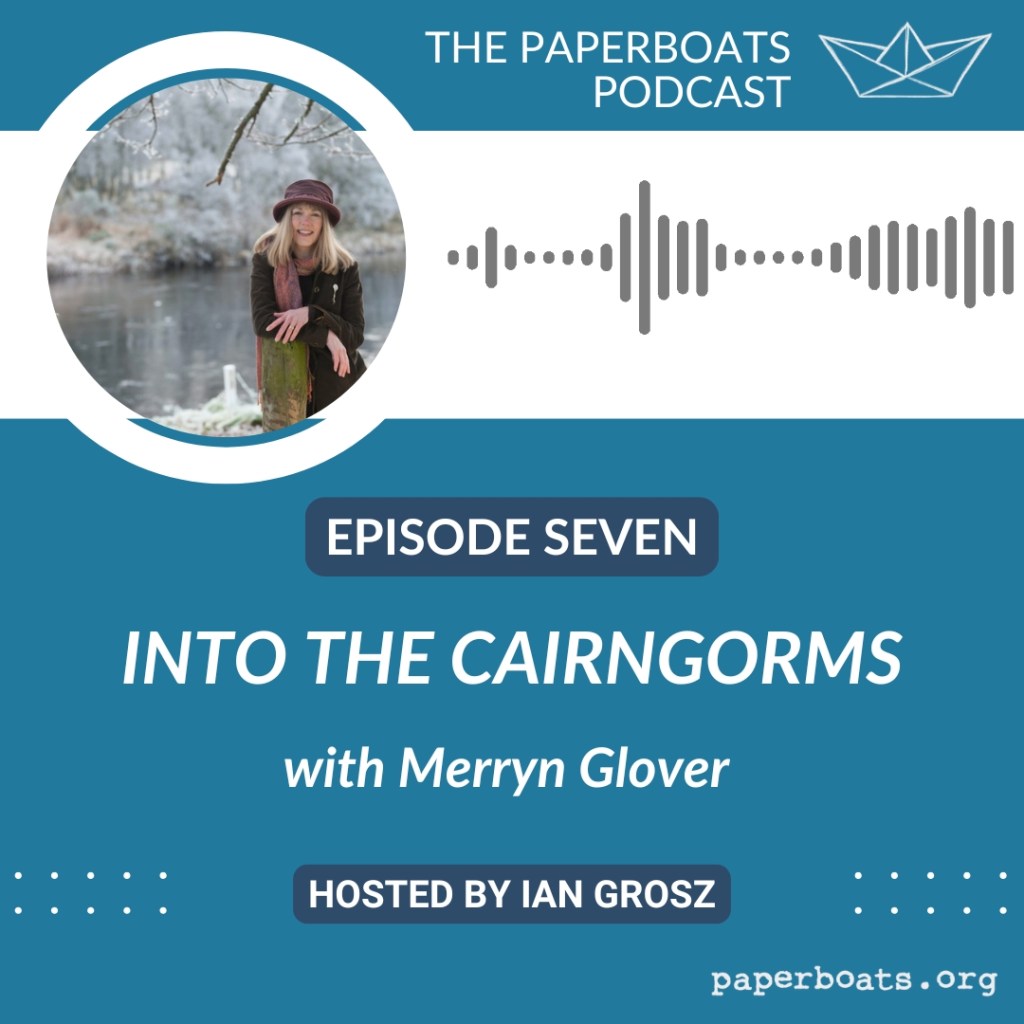
Into the Cairngorms

The latest episode of the Paperboats podcast is out now, with author Merryn Glover Appleby

Merryn was born in Kathmandu to Australian missionary parents and grew up in Nepal, India and Pakistan. She settled in Scotland after travelling around the world and was the first Writer in Residence for the Cairngorms National Park in 2019. She co-hosts the Cairngorms-based Storyland Sessions with musician Hamish Napier, and is a regular Guardian Country Diary columnist. Her latest book is The Hidden Fires: A Cairngorms Journey with Nan Shepherd (Polygon, 2023).

In this episode Merryn describes her early life in Nepal and India, the deep connection she has found with the Cairngorms through her writing, her involvement with the Storyland Sessions community project, and her time as Writer in Residence for the Cairngorms National Park. Merryn also reads from The Hidden Fires, and gives an insight into how her spiritual faith informs her thinking on Nature and the Environment.

Head into the Cairngorms from your armchair, or wherever you like to listen, and stream from your chosen platform.

Head to Paperboats Podcasts to learn more.
Walking and Place

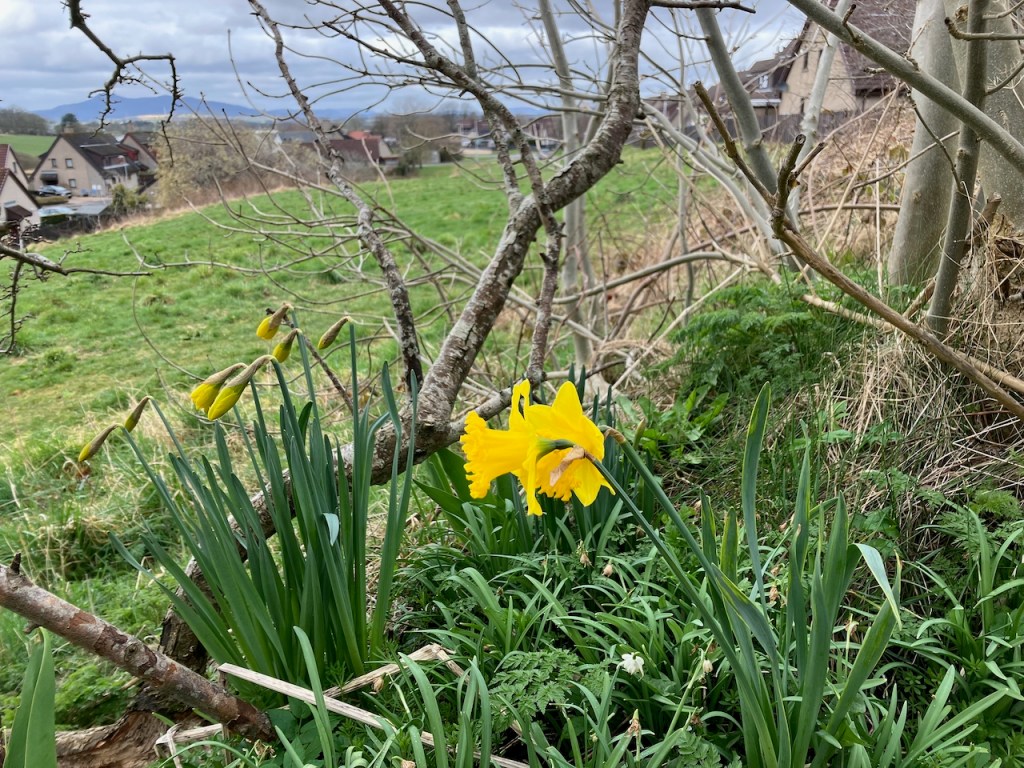
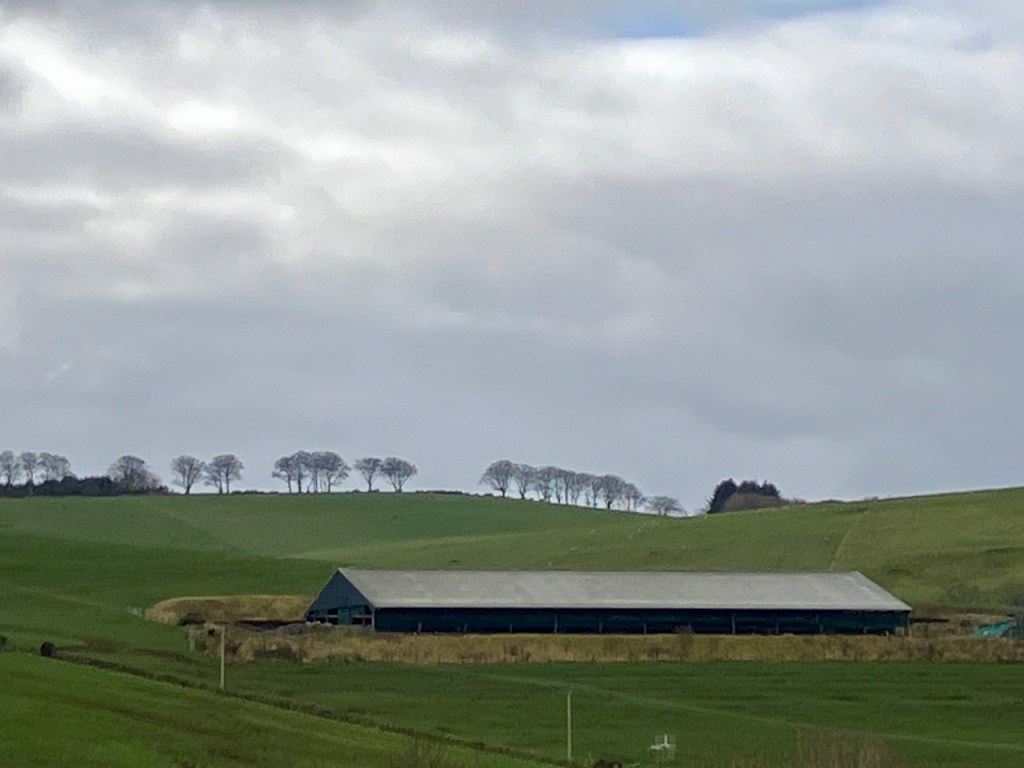
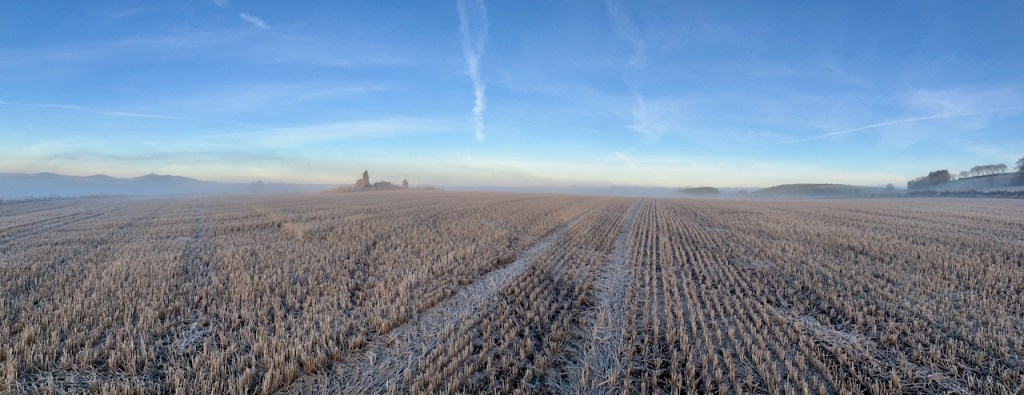
A dull and chilly spring day. 

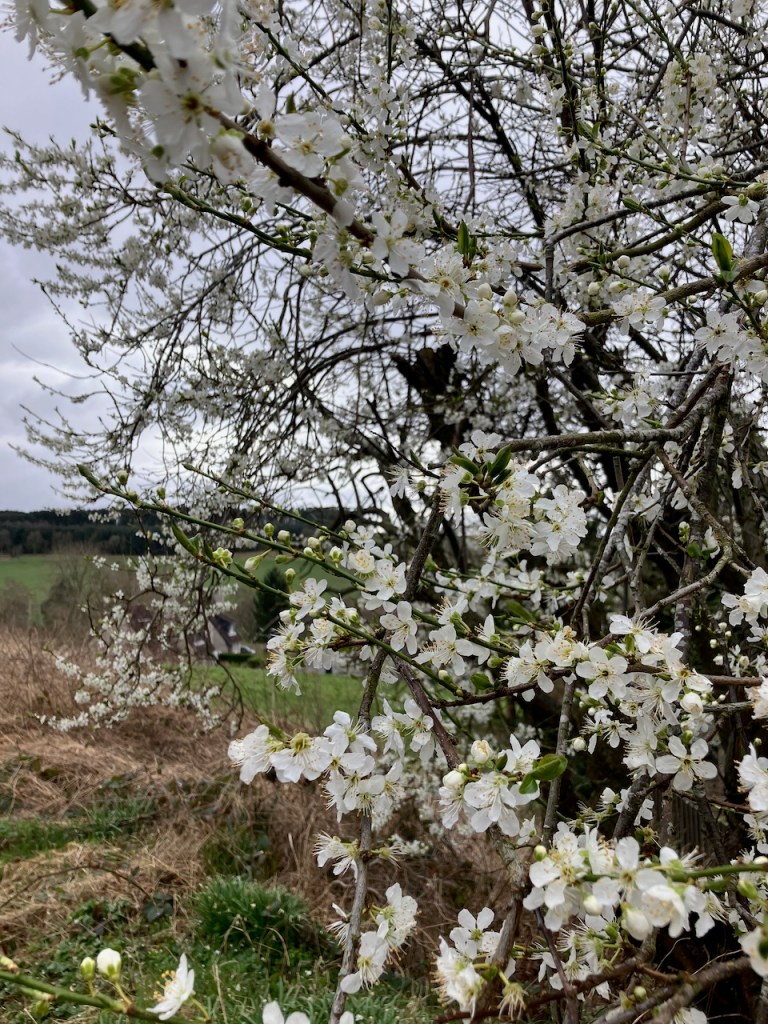
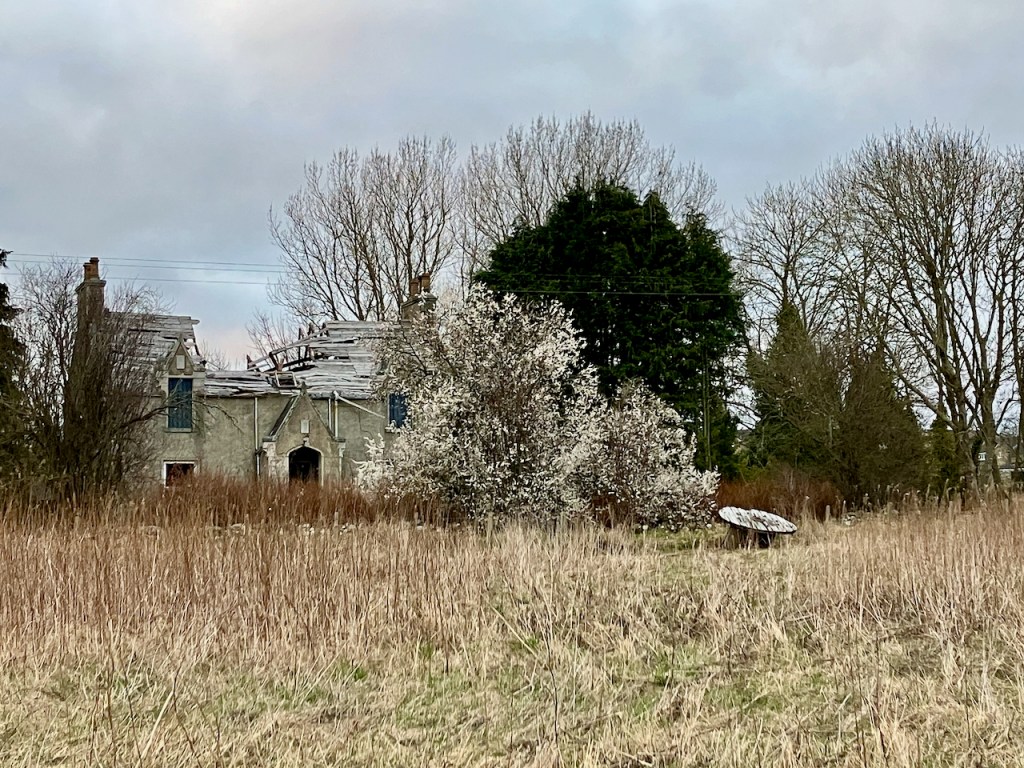
Half-forgotten standing stones, abandoned farm houses, early blossom, late daffodils – trees that always transport me to elsewheres.

All way-markers of the passage of time and the signatures of place. 

It always gently surprises me how much walking connects me to place – the sense of time and connection to those that have gone before us – and to other places through memory and imagination.  

I’ve been walking this area for years, now, but it still rewards me. As I walk, I remake the path and the path, in turn, remakes me, directing my movements through the landscape, shaping the way I experience it and reaffirming where and who I am.

To reach any destination, we must first place ourselves in an imagined future. To go somewhere we have already been, we place the self in both an imagined future and the reconstructed past. We experience the past, the present and the future simultaneously, creatures bound by time but able to traverse its different states, merging the self of the past, the present and the future in a continuous state of reinvention and renewal. In this way, wayfaring is a collaboration, an act of co-creation between the wayfarer and the way.

Pleasing, then, to see the signs of spring, the decay and the new life – the little changes we can witness in a landscape – and to feel truly grateful to be here, anchored by the things that give me my place in the world.

Close Encounters

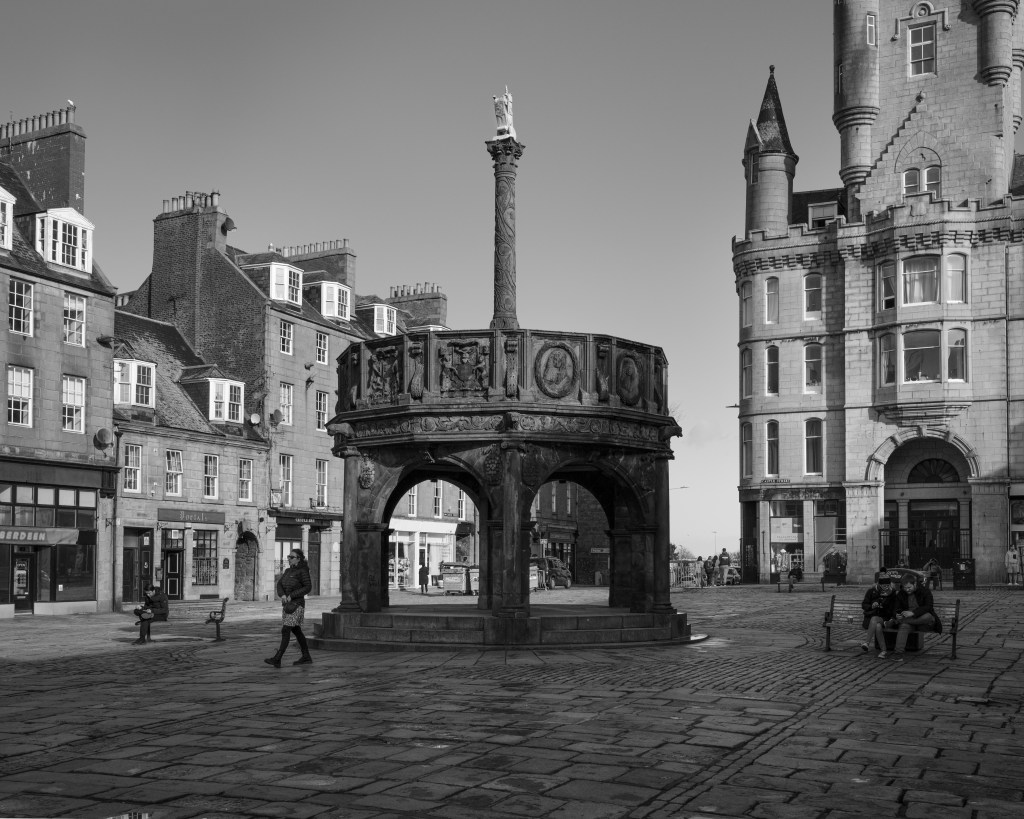
Aberdeen’s Castlegate – Image and Copyright Steve Smith

Our relationships with place are nearly always expressed through story, and this is what fascinates me most about what it is that makes a place, a place – the unique community stories that come out of any given location.

For the last 9 months I’ve been working on a pilot project commissioned by Aberdeen City Council through Historic Env. Scotland’s Heritage and Place Programme. The project aims to celebrate, record, and reveal the historic and contemporary stories that make up the Castlegate’s unique sense of place in the east end of Aberdeen city centre, and to capture the social history of the area at a time when the city is on the cusp of change.

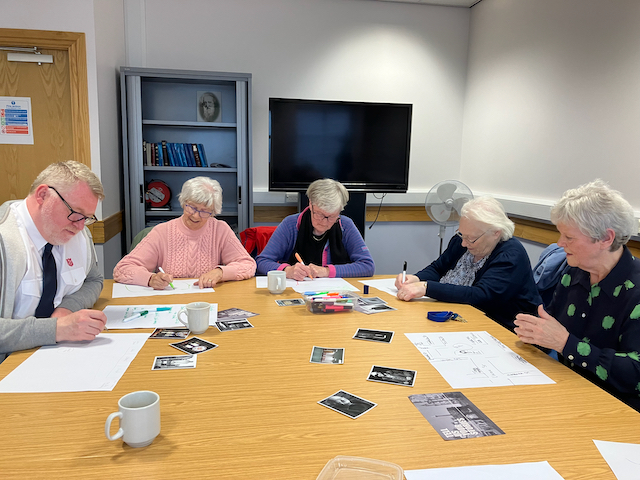
I ran a series of community-based workshops exploring local heritage and relationships with place, and, working alongside the project photographer, conducted audio-recorded interviews to capture a sample of individual experiences relating to the Castlegate and its heritage.

We opened an exhibition at Aberdeen Arts Centre to showcase some of the photography for those who feature in the project, and we worked with artist and filmmaker Callum Kellie and a digital surveying and software company to launch an interactive online platform and digital map to house some of the material gathered, which you can explore at the link below.

Close Encounters

We’ve only scratched the surface, but we hope we’ll have opportunity to build on the work done so far to capture a sense of a city that is both informed by its past and working hard to rewrite its future.

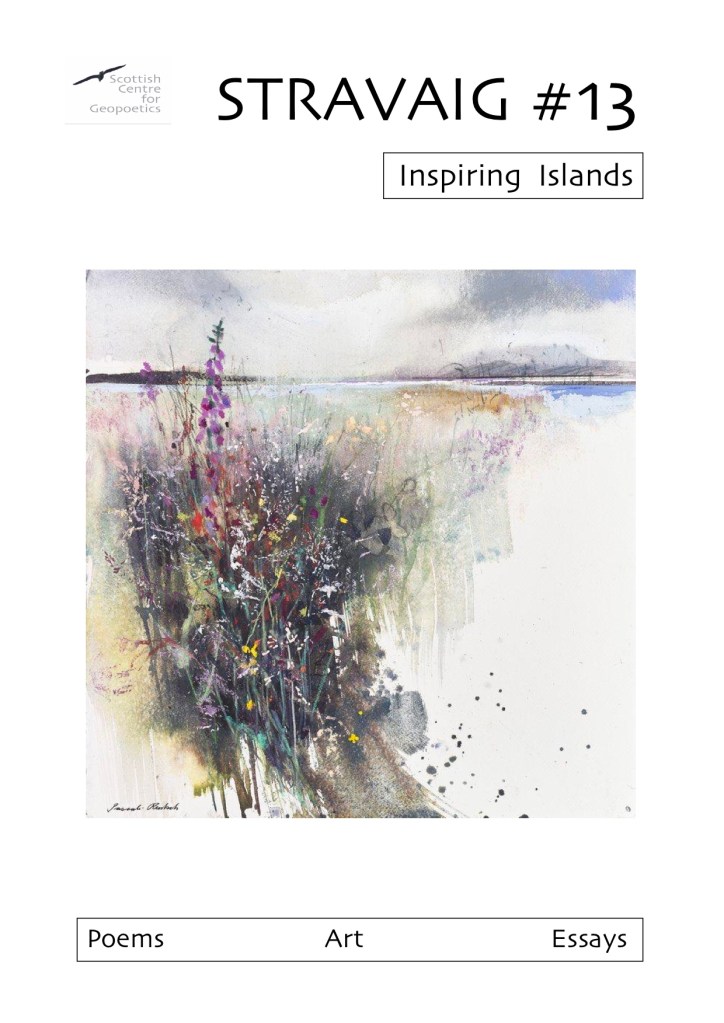
Stravaig 13 Reading

“Staying still, I close my eyes and listen. I am filled by the moor’s presence: the sound of the burn at the side of the road; the faint calls of birds, unseen in the heather; the icy cold breath of the wind on my neck. A deep sense of peace comes to me. I feel held within the moor’s ever-changing, ever-present elements, its blossoming and its constant renewal: just one of countless life-processes.”

Ian Grosz, from ‘The Moor, the Sea, the Sky’, Sravaig 13, pp.30-33, p.33.

I’m looking forward to reading from my short essay ‘The Moor, the Sea, the Sky’ this evening, published in Stravaig 13 in the summer. Stravaig is the journal of the Scottish Centre for Geopoetics which draws on the writings and philosophy of Kenneth White to bring together a diverse range of writers, artists, academics, ecologists and earth scientists to explore how Geopoetics can be applied to our lives and our approach to the Earth as home.

My essay explores Lewis’s moorland landscape and my place within it on a return visit to the Western Isles in 2022 after an absence of fifteen years. It is a much-abridged extract of a chapter from a book-length work of narrative non-fiction exploring how landscapes shape a sense of place and identity, for which I am now seeking a publisher. I’ll be reading a short extract from the essay alongside the other contributors of this special Islands issue of the journal.

Click here for a link to join the event and on the image above to read Stravaig 13.

Four Rivers, Deep Maps UK Launch

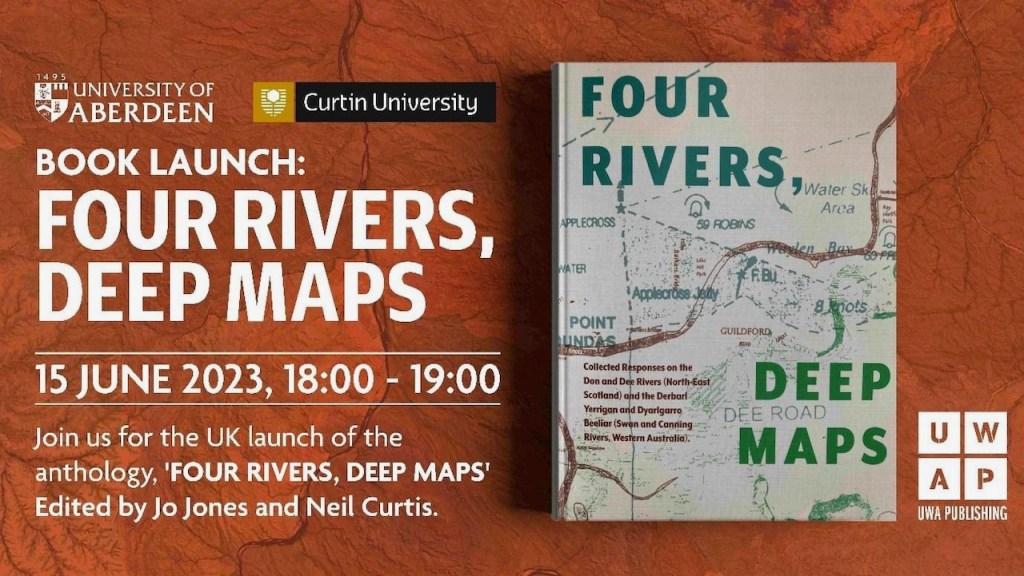
After being published through UWAP in September 2022 and launched initially in Perth, WA, Four Rivers, Deep Maps comes to the UK with a launch event at the University of Aberdeen on Thursday 15th June in the Sir Duncan Rice Library. Click on the image above for details.

The cities – Perth, Australia, and Aberdeen, Scotland – have received relatively little attention as specific geographical–cultural locales. Often perceived as industrial, isolated and lacking romantic association, they nevertheless have rich historical, narrative and creative traditions that characterise interactions between humans and place, particularly along the length of the four rivers.

My own contribution charts the River Don from source to sea, uncovering its ancient sacred associations and exploring how they have shaped the geography and identity of the region through time.

All the contributions of this book are woven together through strands of deep mapping and ideas of place, history and inhabitation. Countercultures seem to return to specific place knowledge that predates industrialisation, whether in the traditional shapes of the Nyoongar knowledge of the Derbarl Yarrigan (Swan River) and Beeliar (Canning River) or the traditions and ancient patterns of Aberdeenshire: we come back to these profound knowledge systems that, in fact, never went away.

Copies of Four Rivers, Deep Maps are in stock at Blackwells and will be available to purchase on the night.