Talking to…

“I’m interested in history because it informs the present and can help guide how we respond to the future. I’m not interested in history for history’s sake, or heritage for heritage’s sake. What interests me are the stories they tell us about who we are and how we got here.”

I was invited to talk with Open Road recently for their ‘We’ve been talking to…’ blog series, and had a great chat with Dr Lucy Stroud about who I am (ain’t that a difficult one…), what I do, what stories I think are important to preserve from the past, and what I hope for the future.

Open Road are a great organisation, pulling together stories, places, and communities.

You can find out more about Open Road and read the interview here.
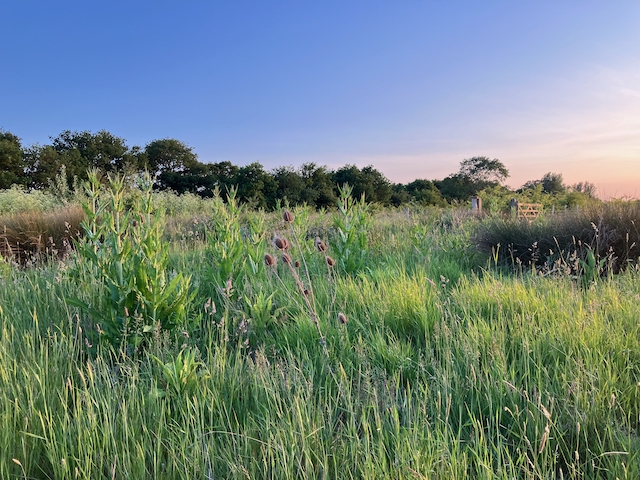
Nature Micro-stories

I feel very lucky to have spent a couple of days earlier this month at Elmley Nature Reserve on a small writing commission.

Such a wonderful reserve – an island haven for nature on Sheppey, fringed by industry and urban development. But it’s a place of distant horizons and big skies, amazing insect, bird and plant life, and fascinating history.

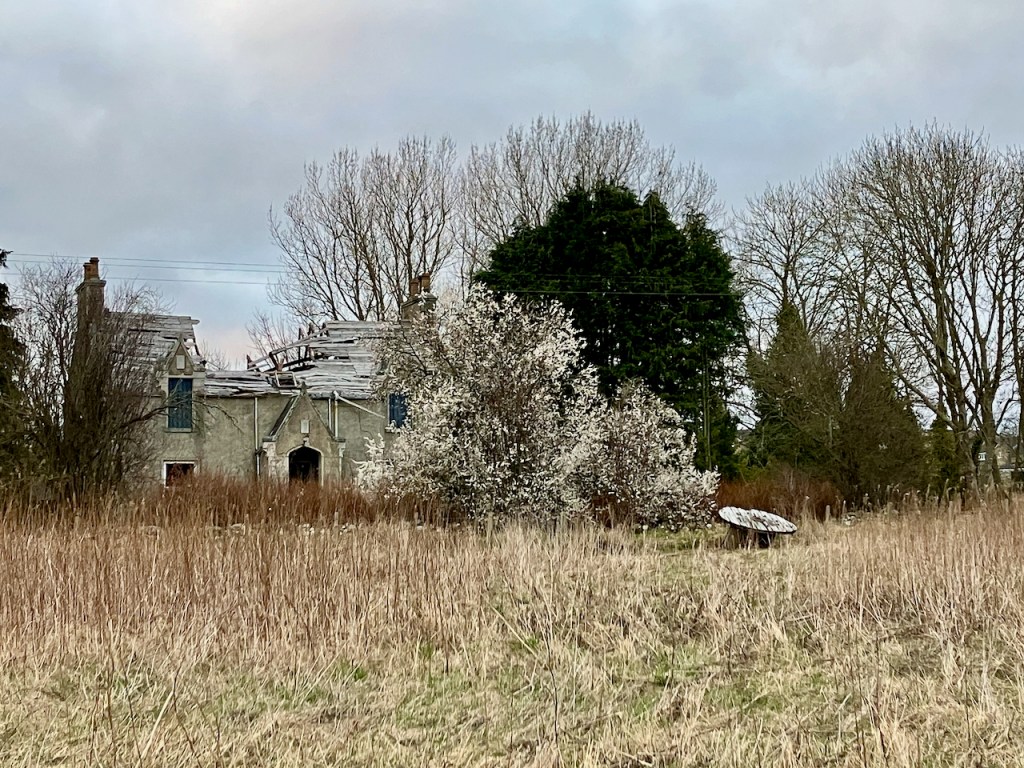
I’ve been writing about hares and the Bronze Age, an abandoned Victorian school and its resident Little Owls, elm trees and Elmley Hill, the Mesolithic and medicinal meadows – all for an illustrated booklet alongside 3 other writers to help visitors connect with the reserve, its habitats and wildlife. There was so much to try to capture and contain and lots of notes to go through, but I’m looking forward to seeing the final results, including illustrations by the wonderful Kate Winter.

It’s a long journey to-from rural Aberdeenshire but worth it. It’s not often we get chance to connect with nature in such an immersive way, and to be spoiled by the kind of hospitality shown to me during my visit. If you’re ever visiting the busy SE, do take time to include the reserve – some of our rarest species hang on there, all with the support of the staff who have turned Elmley into the refuge it has become.

I’ll be posting links up to the finished booklet / micro-stories when the project concludes.

The Same Sunlight

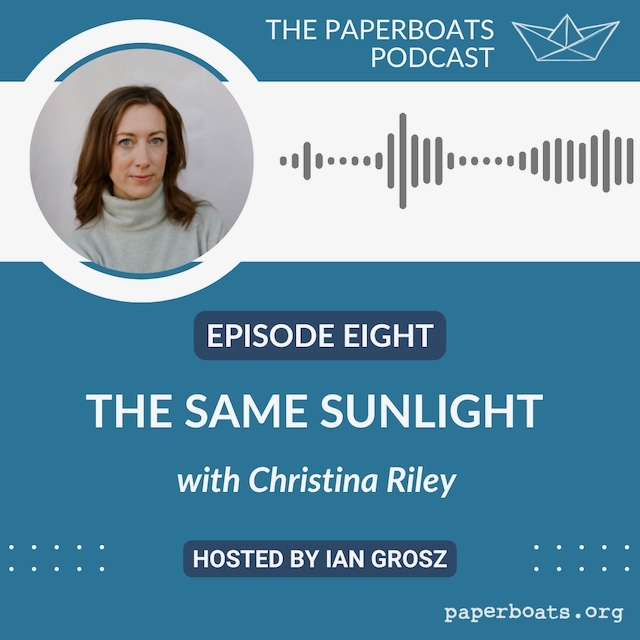
The latest Paperboats Writers podcast was released on Friday May 02 with artist and writer Christina Riley.

Christina was born in Florida but moved to Ayrshire when she was eight years old. Her practice often focuses on the small details of the natural world, particularly in coastal and underwater environments, and incorporates collections and found objects.

In 2019, Christina started The Nature Library – a roving library of books aimed at connecting people to land, sky and sea, which in 2024 took up a long-term location at a former shipyard worker’s flat in Irvine in Ayrshire in association with the Scottish Maritime Museum. Her photo book The Beach Today was published by Guillemot Press in 2021, and her debut collection of essays was longlisted for Canongate’s Nan Shepherd Prize for Nature Writing in 2019.

Christina reads two extracts from her series of beautiful prose fragments, ‘The Same Sunlight’, published by Gutter Magazine, Issue 30. She discusses her residency at the Mission Blue Argyll ‘Hope Spot’, and the remarkable biodiversity that can be found along the Argyll coast. She also gives a fascinating insight into her writing, her artistic practice, and the books that have inspired her.

Christina is currently working on a series of essays exploring Scotland’s biodiversity, stemming from her time on the artist residency in Argyll.

This episode was recorded in February 2025.

Get it wherever you stream your podcasts!

Walking and Place

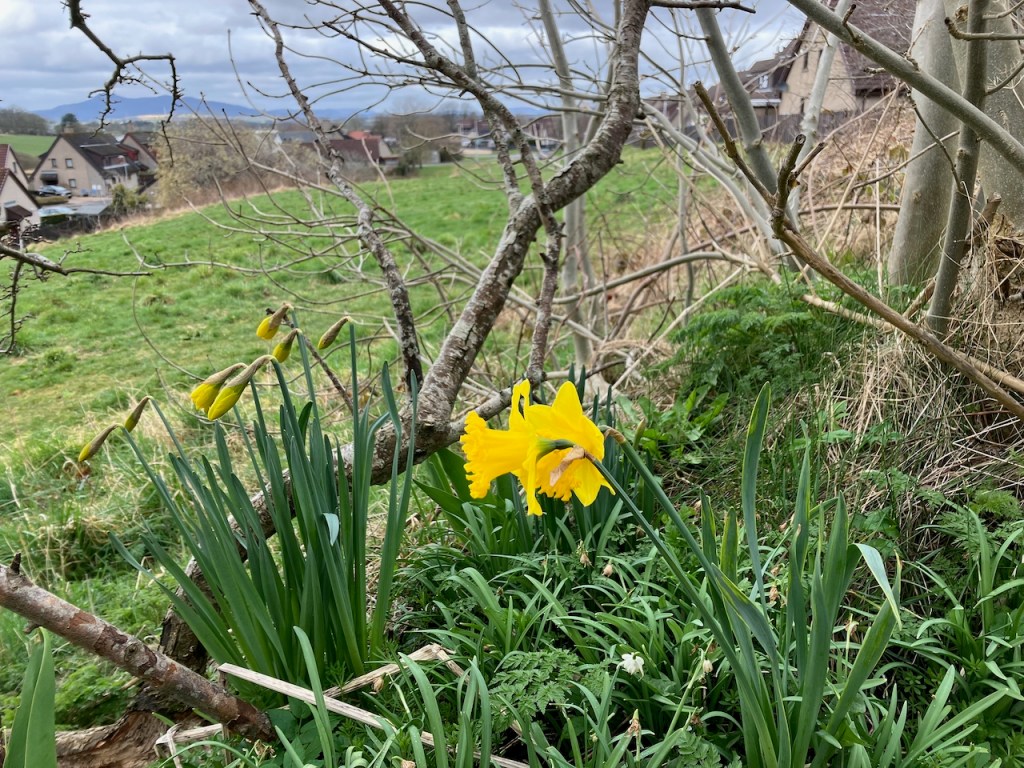
A dull and chilly spring day. 

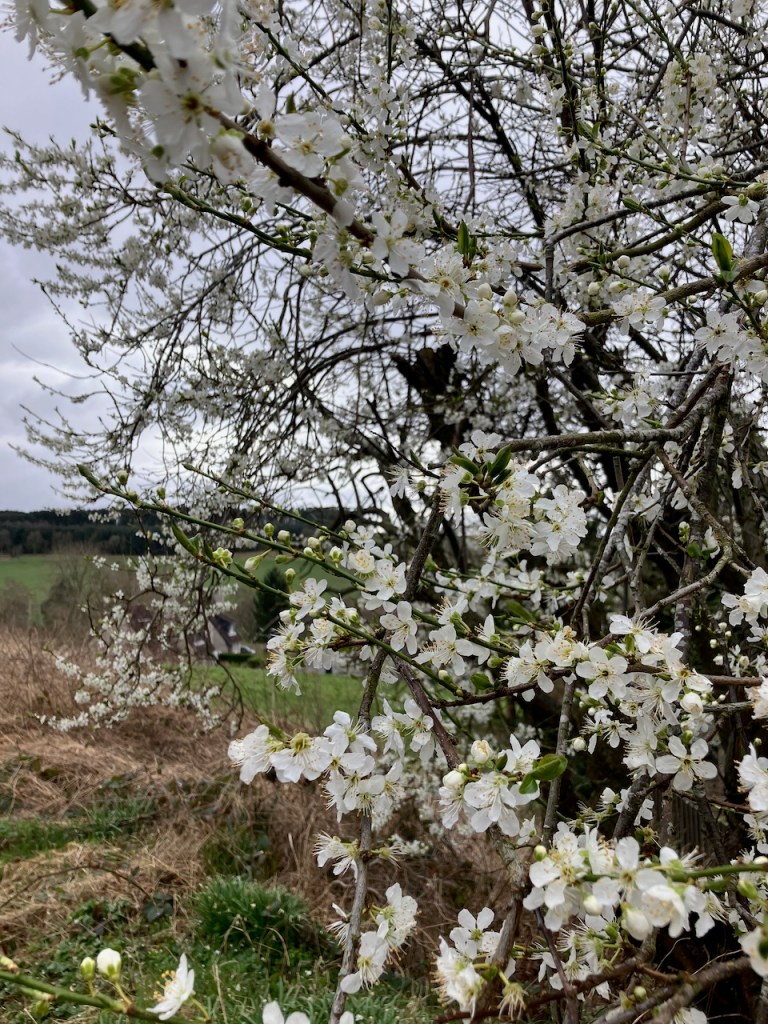
Half-forgotten standing stones, abandoned farm houses, early blossom, late daffodils – trees that always transport me to elsewheres.

All way-markers of the passage of time and the signatures of place. 

It always gently surprises me how much walking connects me to place – the sense of time and connection to those that have gone before us – and to other places through memory and imagination.  

I’ve been walking this area for years, now, but it still rewards me. As I walk, I remake the path and the path, in turn, remakes me, directing my movements through the landscape, shaping the way I experience it and reaffirming where and who I am.

To reach any destination, we must first place ourselves in an imagined future. To go somewhere we have already been, we place the self in both an imagined future and the reconstructed past. We experience the past, the present and the future simultaneously, creatures bound by time but able to traverse its different states, merging the self of the past, the present and the future in a continuous state of reinvention and renewal. In this way, wayfaring is a collaboration, an act of co-creation between the wayfarer and the way.

Pleasing, then, to see the signs of spring, the decay and the new life – the little changes we can witness in a landscape – and to feel truly grateful to be here, anchored by the things that give me my place in the world.

Sacred Mountain – an autumn equinox walk with BBC Radio Scotland.

In 2022 I took a walk up everybody’s favourite hill in Aberdeebnshire to witness the autumn equinox sunrise from the summit of Mither Tap – the site of a Pictish hill fort that dominated what was, for the Picts, a sacred landscape.

I wrote an essay about the walk, exploring what the idea of a sacred landscape might mean to us today, which was published on The Clearing – Little Toller’s online journal of Nature, Landscape and Place.

Here I return to the hill as the autumn equinox approached, in the company of BBC Radio Broadcaster Helen Needham. We talk about our connection to landscape and place, and the importance of taking time out from our busy lives to pause and to reflect, and to notice the changing of the seasons.

Extracts from my essay are woven through the recording Helen made as we walked up the hill, following the Maiden Causeway – an ancient track leading to the Pictish fort on the summit of Mither Tap.

You can listen to the podcast here or click on the image above.

And you can read my essay on The Clearing here.