“I’m interested in history because it informs the present and can help guide how we respond to the future. I’m not interested in history for history’s sake, or heritage for heritage’s sake. What interests me are the stories they tell us about who we are and how we got here.”
I was invited to talk with Open Road recently for their ‘We’ve been talking to…’ blog series, and had a great chat with Dr Lucy Stroud about who I am (ain’t that a difficult one…), what I do, what stories I think are important to preserve from the past, and what I hope for the future.
Open Road are a great organisation, pulling together stories, places, and communities.
You can find out more about Open Road and read the interview here.
Looking forward to giving an online talk and reading from my essay ‘elm is me and I am elm’ at Plymouth State University this Friday – part of the Museum of the White Mountains Tree Talk series.
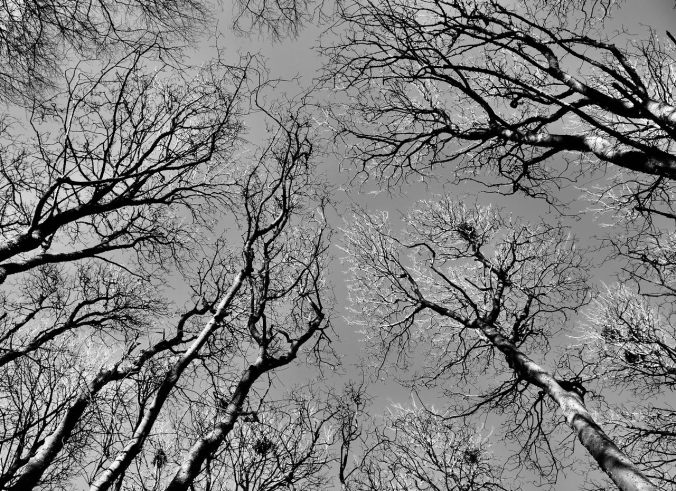
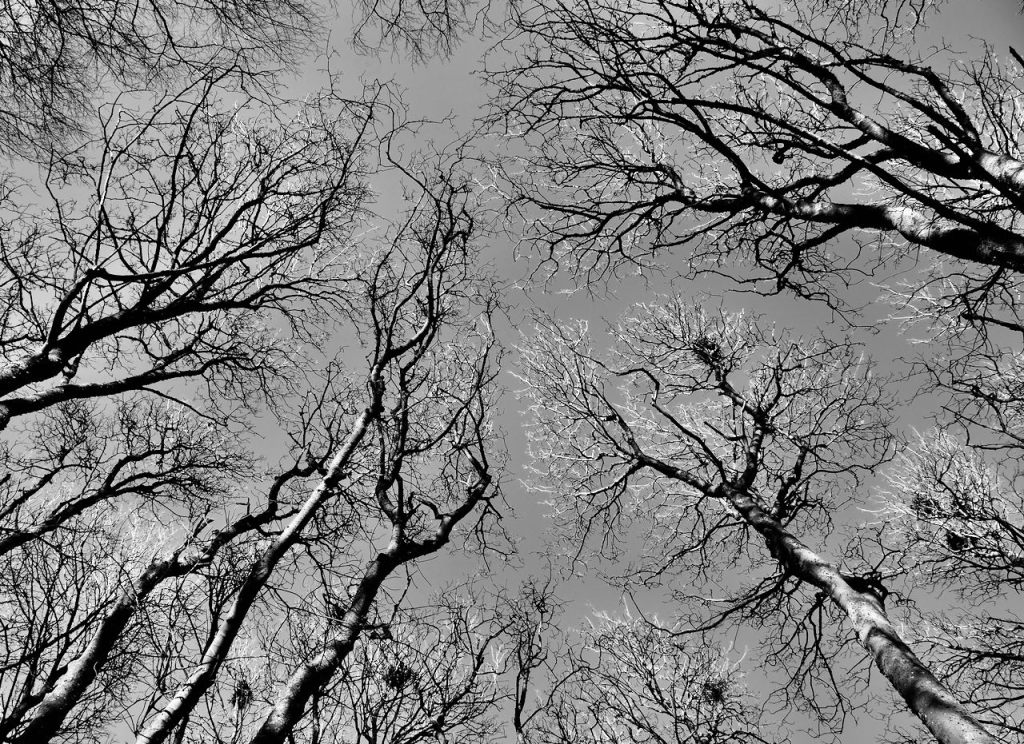
‘elm is me and I am elm’ was published in Issue 5 of the Paperboats Writers E-Zine and explores our deeply entwined relationship with nature through a personal exploration of a local area of ancient woodland, the story of the wych-elm, and recent thinking in anthropology and ecology.
Join me on Friday 17th November for a human-nature entanglement.
“Where do the trees end and I begin? Where is the boundary between tree, roots, soil, air, my breathing and thinking and being? It is not just a hippy idea of ‘oneness’, this, a flaky new age folksy feeling that yes, we are all connected, but an intellectual, phenomenological and objective reality. Everything really is whole within the multitudinous, messy complexity of everything.”
The essay explores our deep entanglements with Nature through the presence, folklore and mythology of the wych elm, and reconsiders the false boundaries between the human and non-human worlds. It goes on to ask how we might incorporate the interrelationships we have with Nature in our thinking and planning, bringing in ideas found in ecology and more radical urban design.
Issue 5 of the Paperboats Zine as a whole is on the theme of ‘Our Power – Our Planet’ and is edited by Polly Pullar and Linda Cracknell.
‘Power is addressed in the repercussions of our energy choices, but also in humans working together for common good and in sometimes relinquishing control so other species and habitats can flourish.’
The editors, Paperboats Zine Issue 5.
There is a fantastic range of writing in this issue, by some wonderful writers, with words from:
Margaret Elphinstone, Jonathan Clark, Hayli McClain, Charlie Gracie, Rebecca Stonehill, Anthony McCluskey, Lesley Harrison, Aidan Semmens, Victoria NicIomhair, Donald S Murray, Iona Macduff, Jeff Skinner, Craig Dobson, Angela Gilchrist, Joshua Adam Walker, Owen Gallagher, Kat Hill, Chris Cottom & Sarah Wallis.
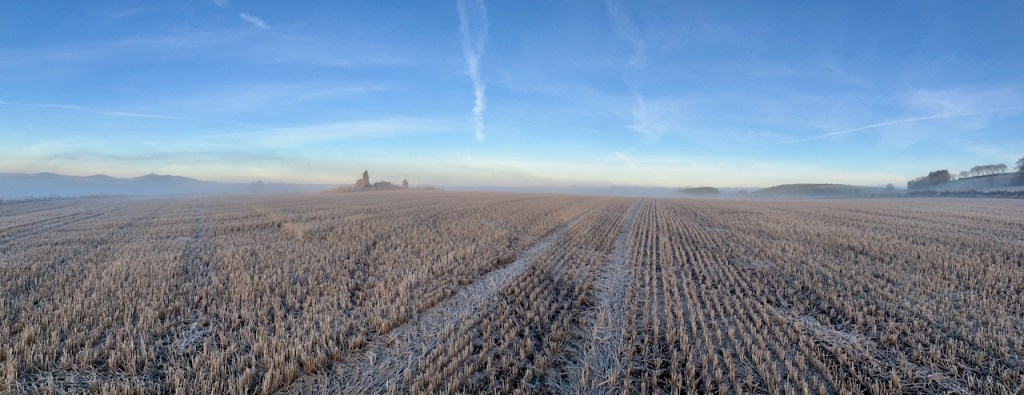
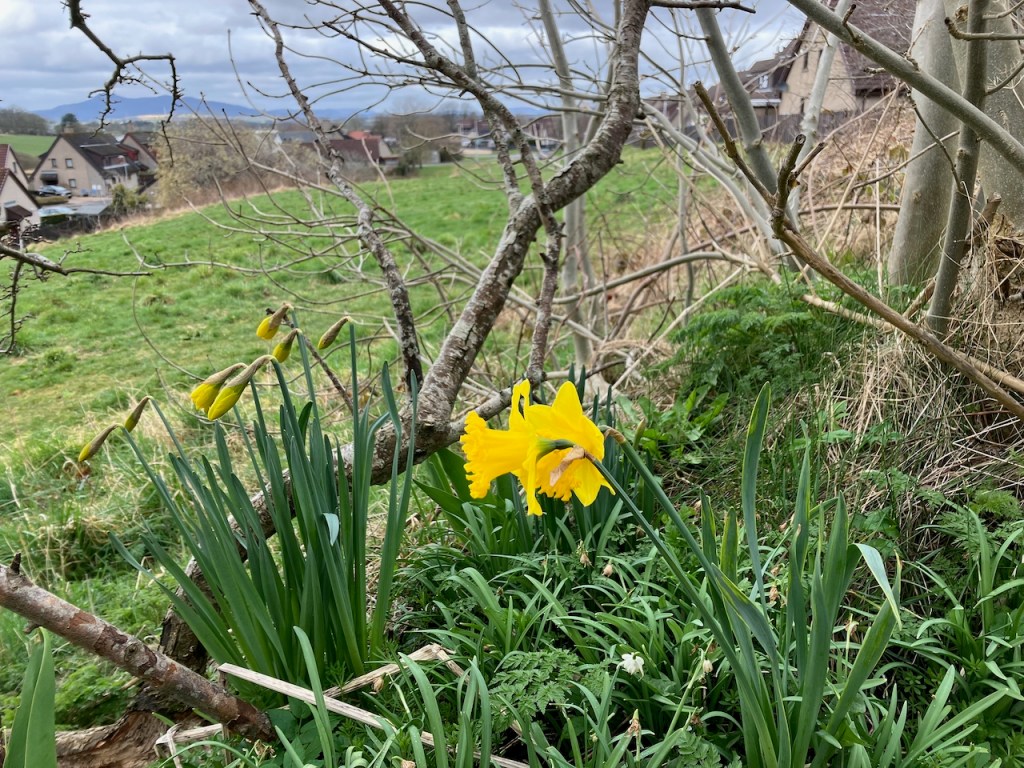
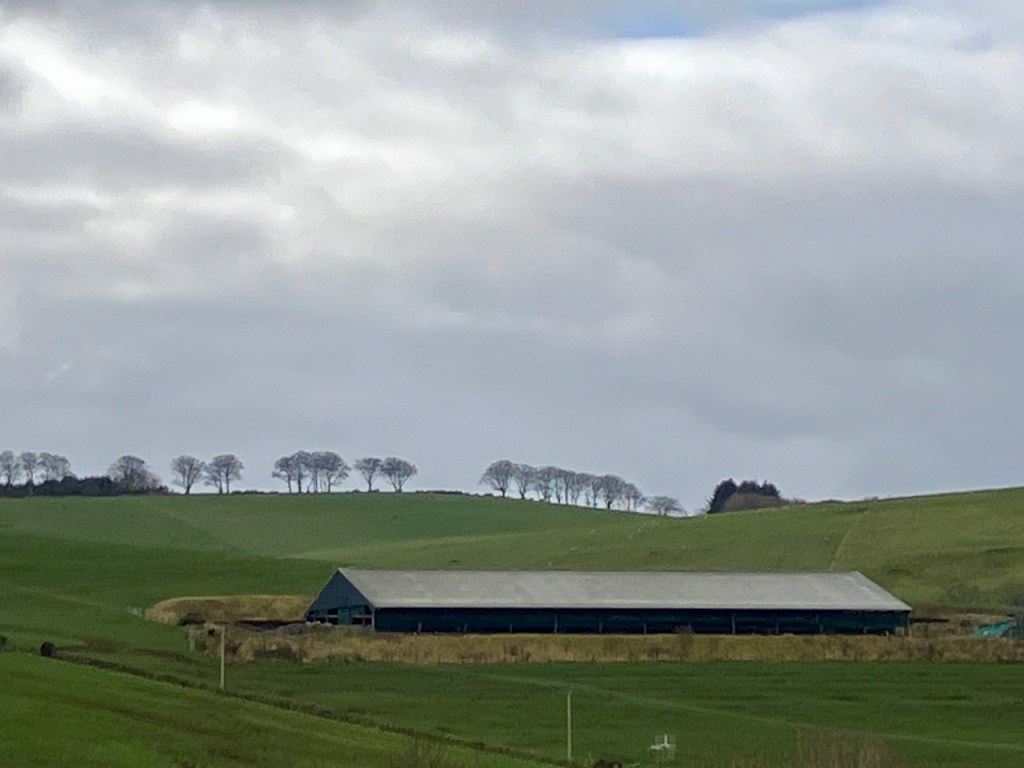
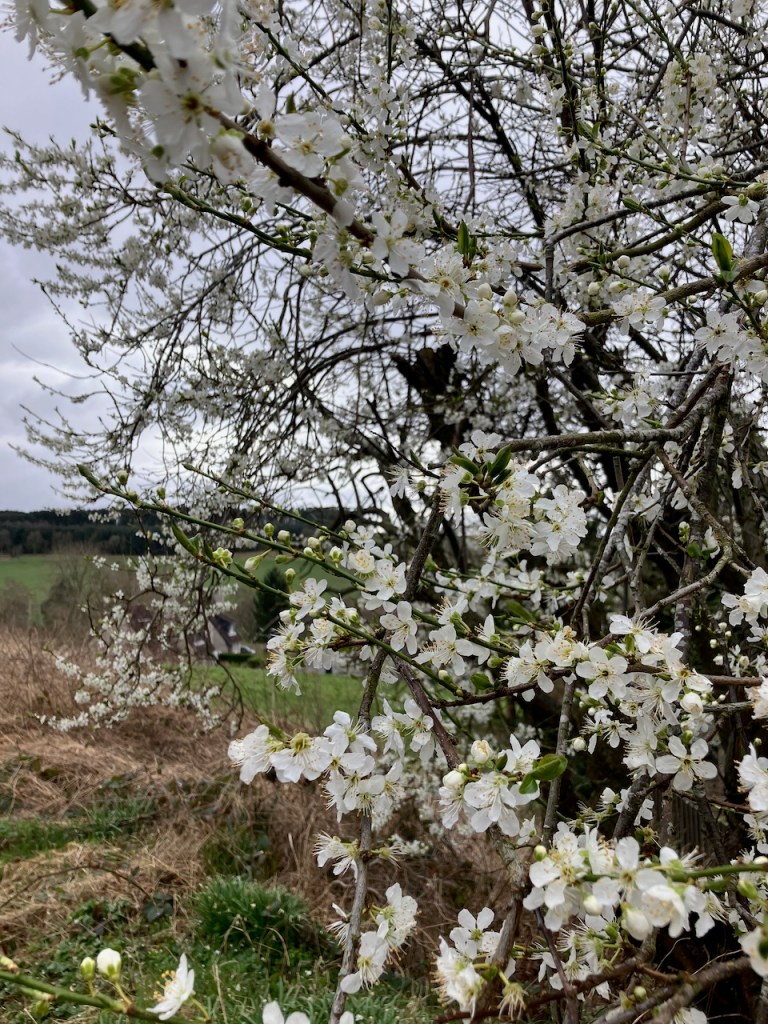
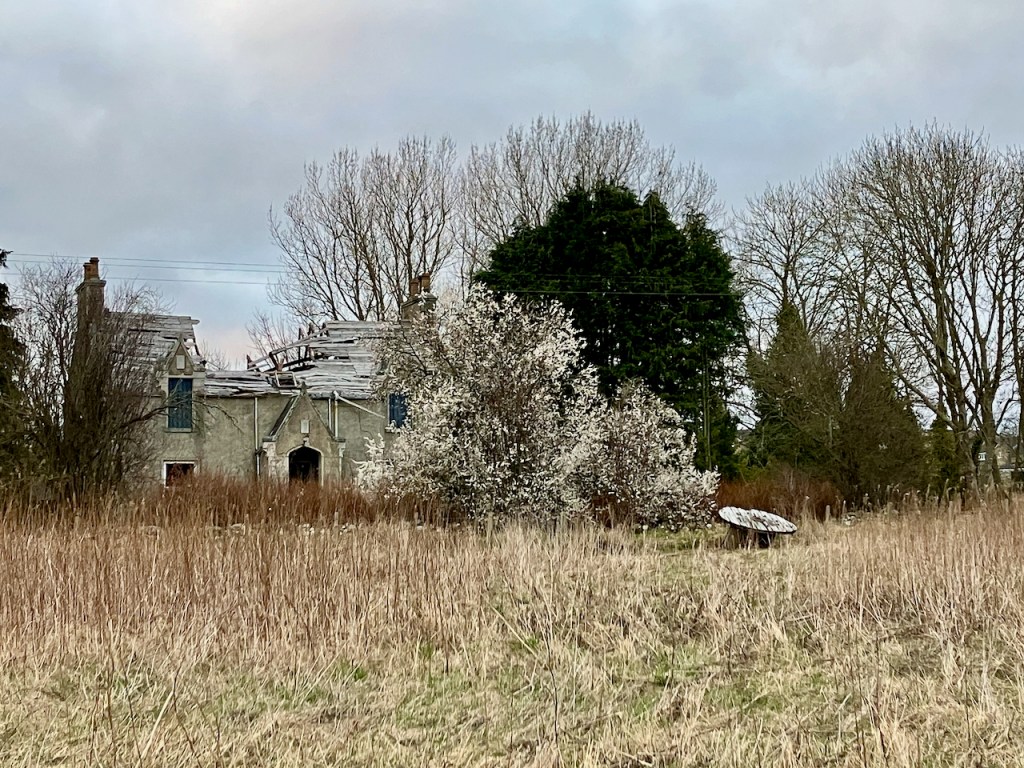
Half-forgotten standing stones, abandoned farm houses, early blossom, late daffodils – trees that always transport me to elsewheres.
All way-markers of the passage of time and the signatures of place.
It always gently surprises me how much walking connects me to place – the sense of time and connection to those that have gone before us – and to other places through memory and imagination.
I’ve been walking this area for years, now, but it still rewards me. As I walk, I remake the path and the path, in turn, remakes me, directing my movements through the landscape, shaping the way I experience it and reaffirming where and who I am.
To reach any destination, we must first place ourselves in an imagined future. To go somewhere we have already been, we place the self in both an imagined future and the reconstructed past. We experience the past, the present and the future simultaneously, creatures bound by time but able to traverse its different states, merging the self of the past, the present and the future in a continuous state of reinvention and renewal. In this way, wayfaring is a collaboration, an act of co-creation between the wayfarer and the way.
Pleasing, then, to see the signs of spring, the decay and the new life – the little changes we can witness in a landscape – and to feel truly grateful to be here, anchored by the things that give me my place in the world.
In 2022 I took a walk up everybody’s favourite hill in Aberdeebnshire to witness the autumn equinox sunrise from the summit of Mither Tap – the site of a Pictish hill fort that dominated what was, for the Picts, a sacred landscape.
I wrote an essay about the walk, exploring what the idea of a sacred landscape might mean to us today, which was published on The Clearing – Little Toller’s online journal of Nature, Landscape and Place.
Here I return to the hill as the autumn equinox approached, in the company of BBC Radio Broadcaster Helen Needham. We talk about our connection to landscape and place, and the importance of taking time out from our busy lives to pause and to reflect, and to notice the changing of the seasons.
Extracts from my essay are woven through the recording Helen made as we walked up the hill, following the Maiden Causeway – an ancient track leading to the Pictish fort on the summit of Mither Tap.
You can listen to the podcast here or click on the image above.