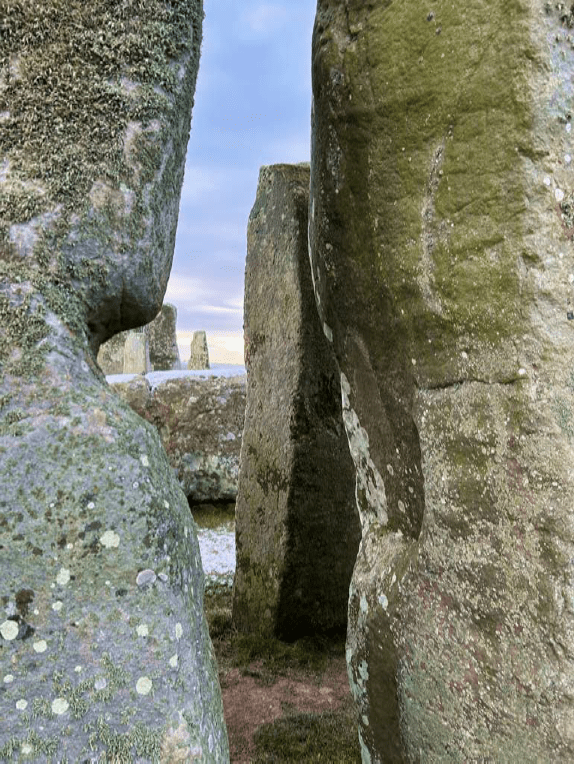
Shifting Temporalities and Mythologies of Ritual Stone Structures
Anyone vaguely familiar with my writing and work will have correctly guessed that I have more than a passing interest in stone circles, and more widely, our ancient sacred connections to the landscape. So, it might come as no surprise to learn that I’m more than a little excited to be presenting at the upcoming Lithic Gathering Symposium at Manchester Metropolitan University next month.
The symposium is organised by The Stones Project, part of MMU’s Visual Culture research group. The research collective examines how ‘we represent and experience ancient and modern British and Irish standing stones and ritual stone structures in their contemporary contexts, through a sensory and embodied research approach.’
The symposium gathers scholars and artists responding to standing stones in various ways, with presentations that explore how ‘these structures – and/or the materiality of the stone/the lithic itself – merges, redefines or shifts historical and mythological narratives in relation to their manifestations within global visual cultures and artistic practices.’
(The Stones Project, 2025)
My own presentation is based around a paper stemming from my PhD by practice research and an extended visit to Lewis in 2022.
‘This is Our Place: Narrative and Interpretation at the Callanish Standing Stones’ explores the various competing narratives and interpretations that surround the stones, touching on archaeology, folklore, literature and mythology. It argues that the stones represent a model of cosmological belief as well as a symbol of local identity, highlighting the relationships between the monument, the lunar standstill, the surrounding landscape and the use and significance of quartz in the monument’s design.
Tickets for the event, and a full programme of speakers and presentations can be found at the eventbrite link below:
 Groundings